
Turkey is huge and rich in history and nature. We travel further from Antalya via Alanya along the south coast to Konya inland.
Also between Antalya and Alanya are numerous historical places, expanded with Greek/Roman/Byzantine origin. The drive to Konya takes us to a high altitude, we are above 1,000 meters. Nature is different, more agricultural areas than olive groves and of course the high mountains around us. Konya is a beautiful, clean and spacious city. The suburbs of this metropolis are also well located and there is plenty to do in the area.
We conclude our visit to Konya and the surrounding area by attending the Sema, the famous ritual dance of the Dervishes.

This is the route we drove from Antalya, via Alanya to Konya (click on the map)
From Antalya to Alanya
The theater and aqueduct of Aspendos
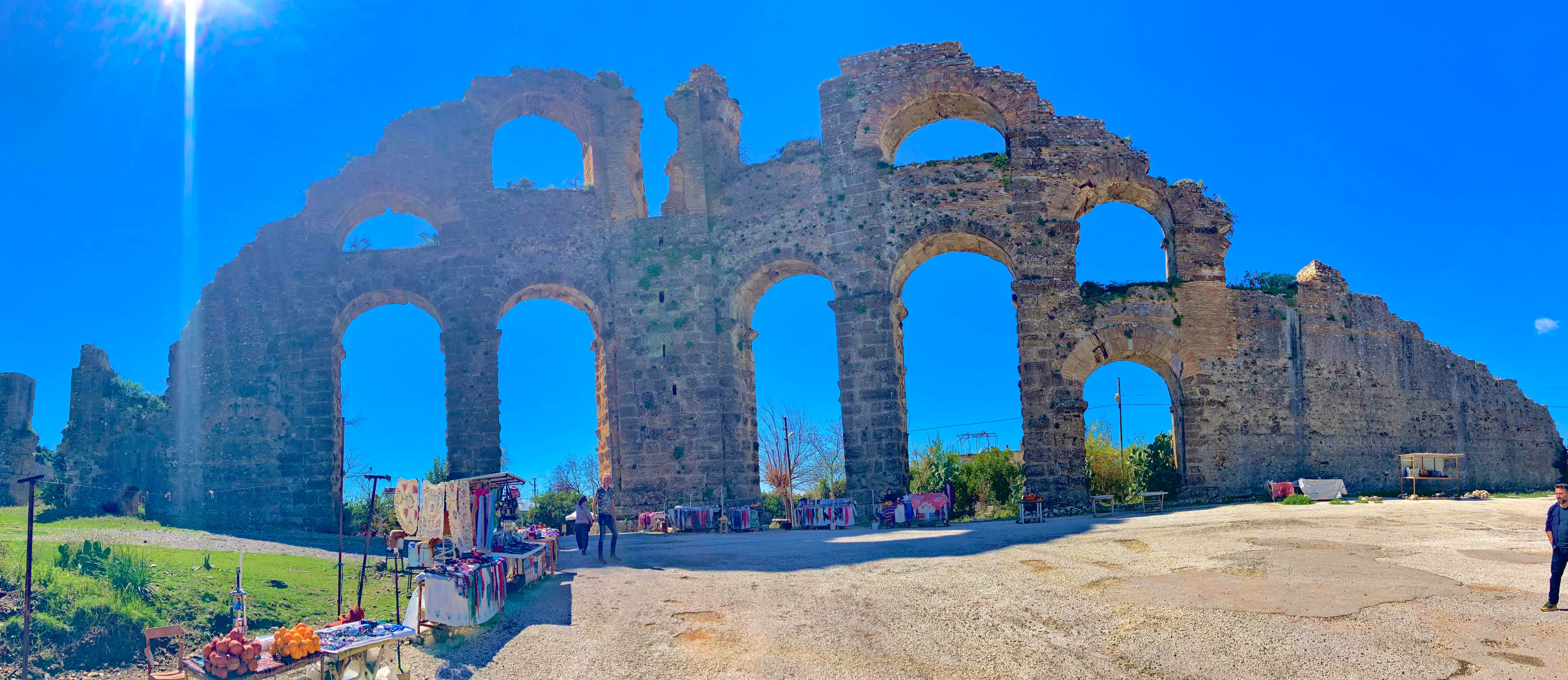
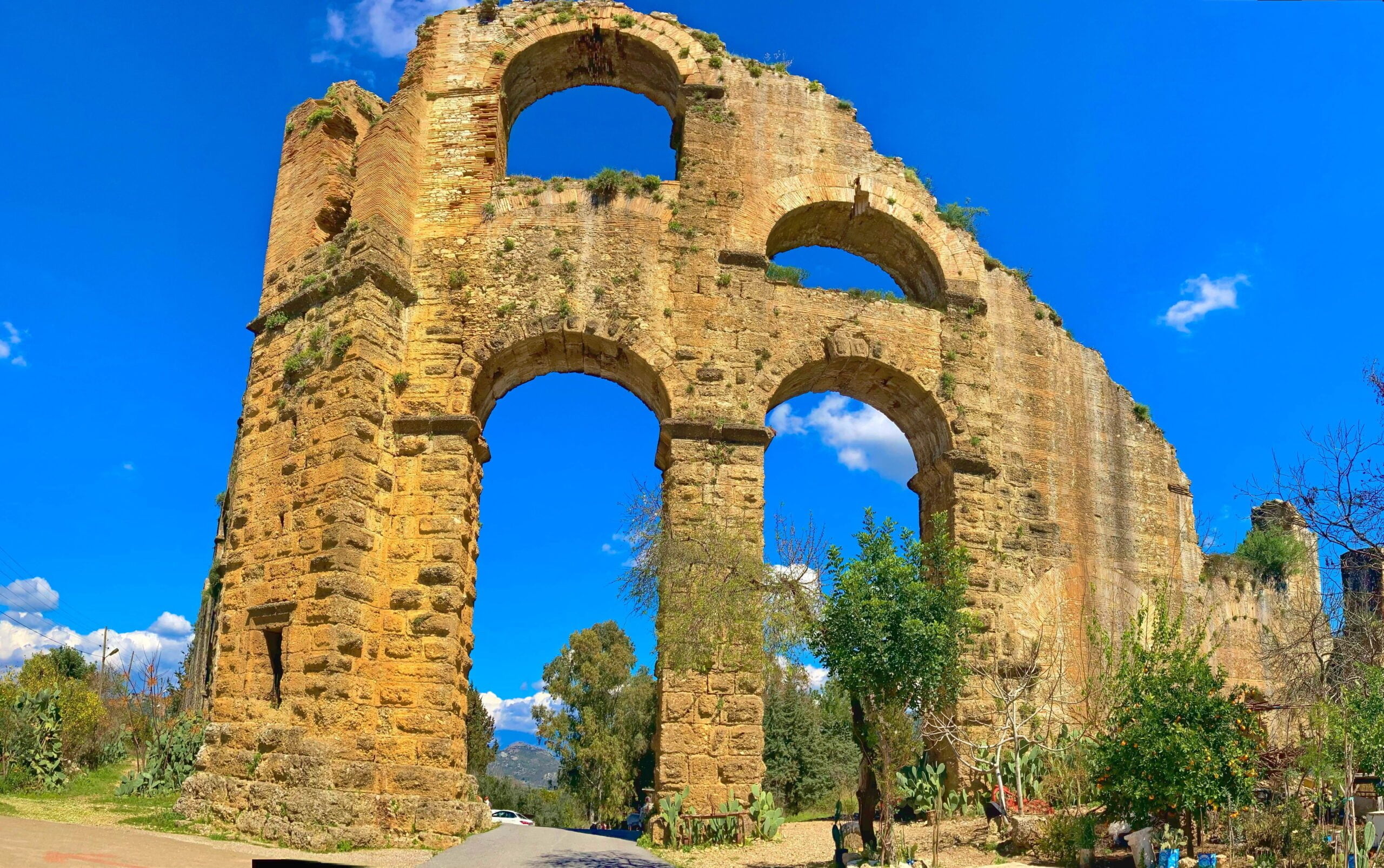
You would pass Aspendos on your way to Alanya. Still, especially the theater is worth going off the main road for a while. The aqueduct is a nice landmark, not much is left of it, but the arches that are still there give an impression of the size of this work of art from Roman antiquity with a little imagination.
As I mentioned, the theater is really impressive, the structure is in the best condition we’ve seen. We can imagine the spectacles that took place here in ancient times.

Groceries on the go
There are regular vegetable stalls along the road where we buy our fruit and vegetables. This is the region of strawberries.

The ancient Greek/Roman city of Side
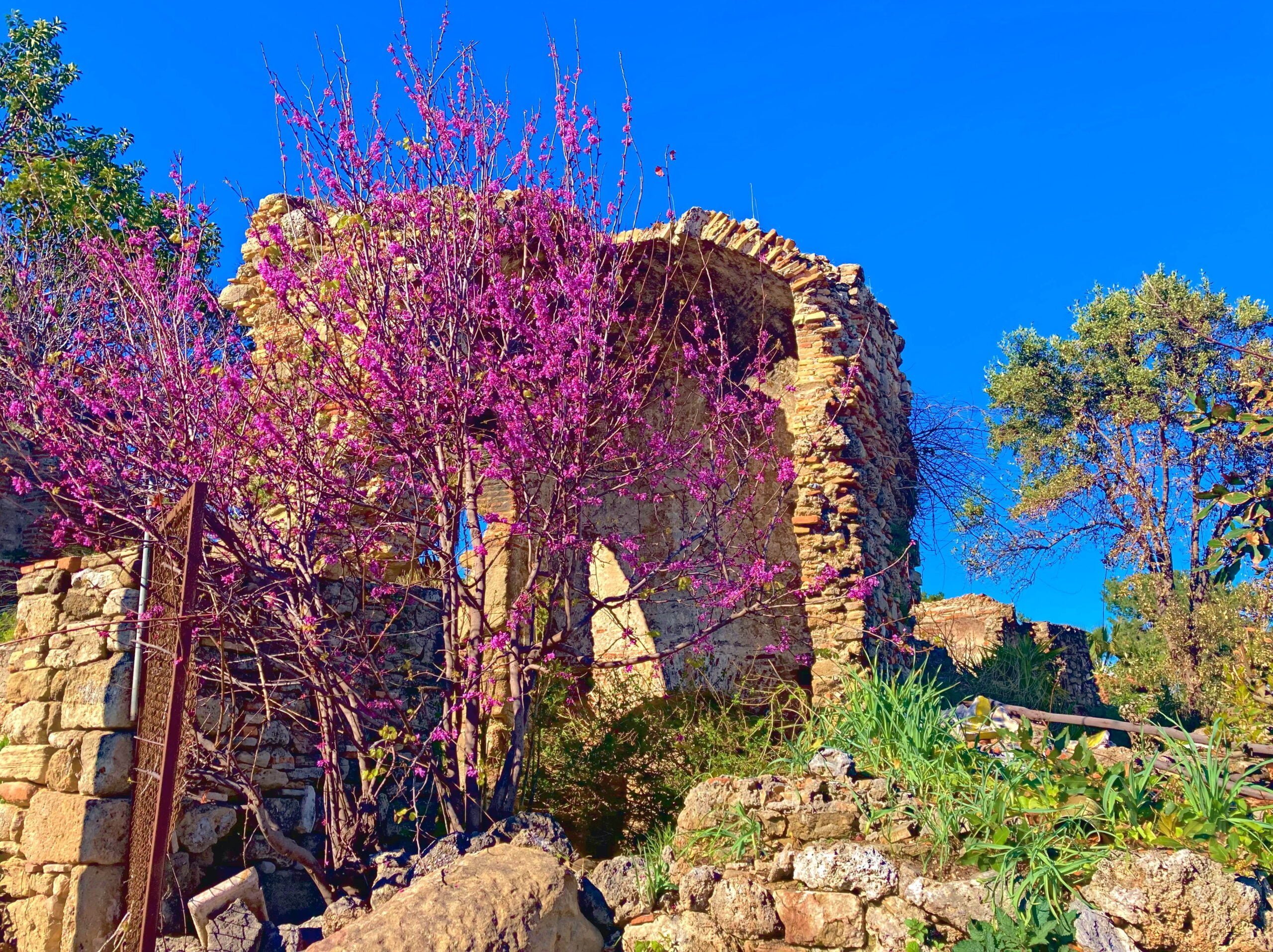
The historic city of Side has been partially swallowed up by the dunes. Also, the archaeological remains are carefully excavated and preserved where new houses are built.


Manavgat waterfall
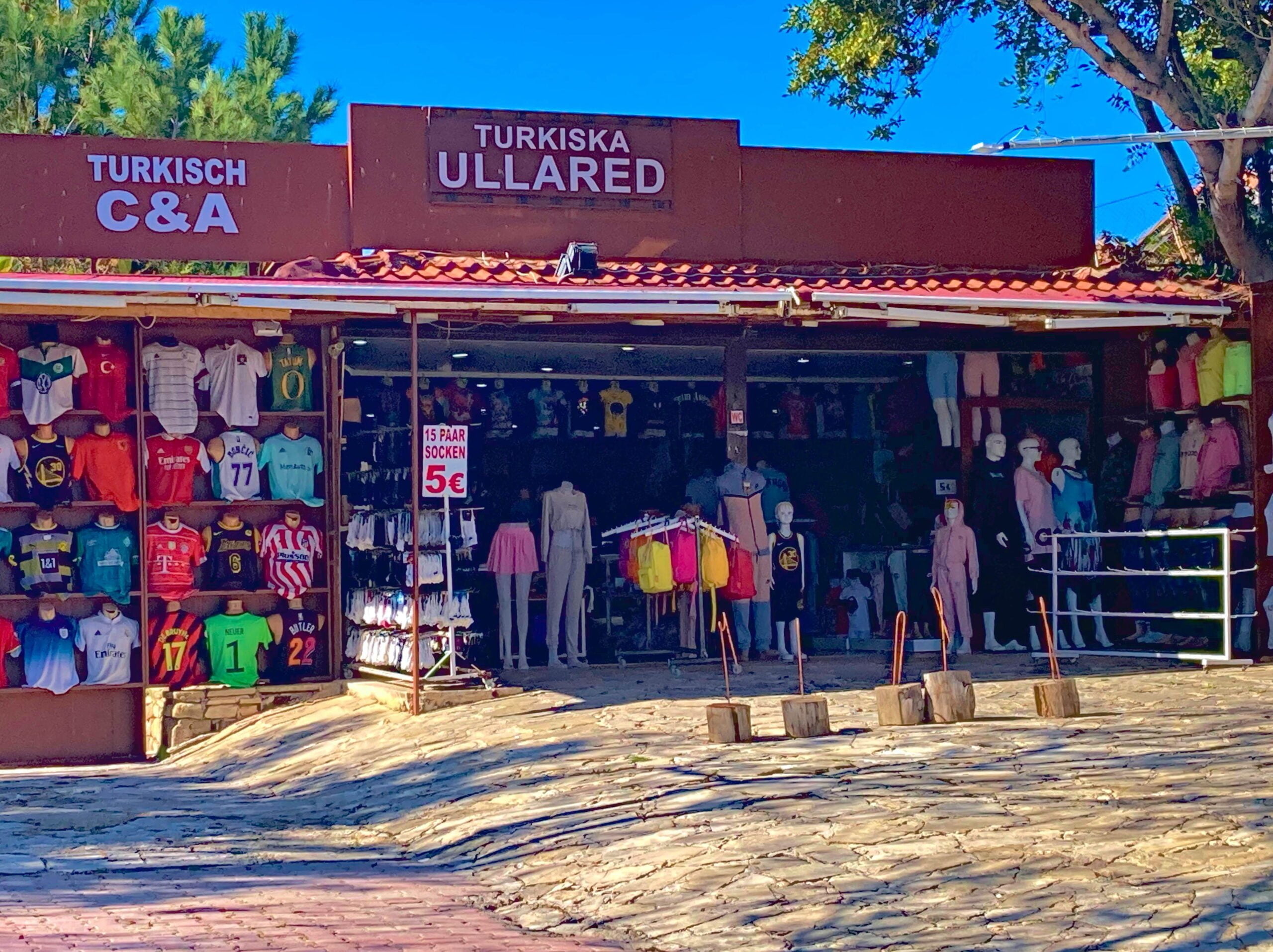
At the end of the day we drive inland at Manavgat to admire the waterfall. A bit cultivated with many stalls (which are now unmanned), but certainly beautiful with the amount of water that has fallen in recent days.


At the reservoir of Manavgat, on the same river, we find a place to stay at restaurant Panorama Lake. The owner, Ramazan, speaks fluent Flemish, learned from FC De Kampioenen. We can park for free in a spot next to the restaurant and use the toilets and hot shower.

Tourist city Alanya
The rain of the past few days washes everything clean, the mud from the car, but also the mud from the streets. A discoloration is clearly visible in the sea.
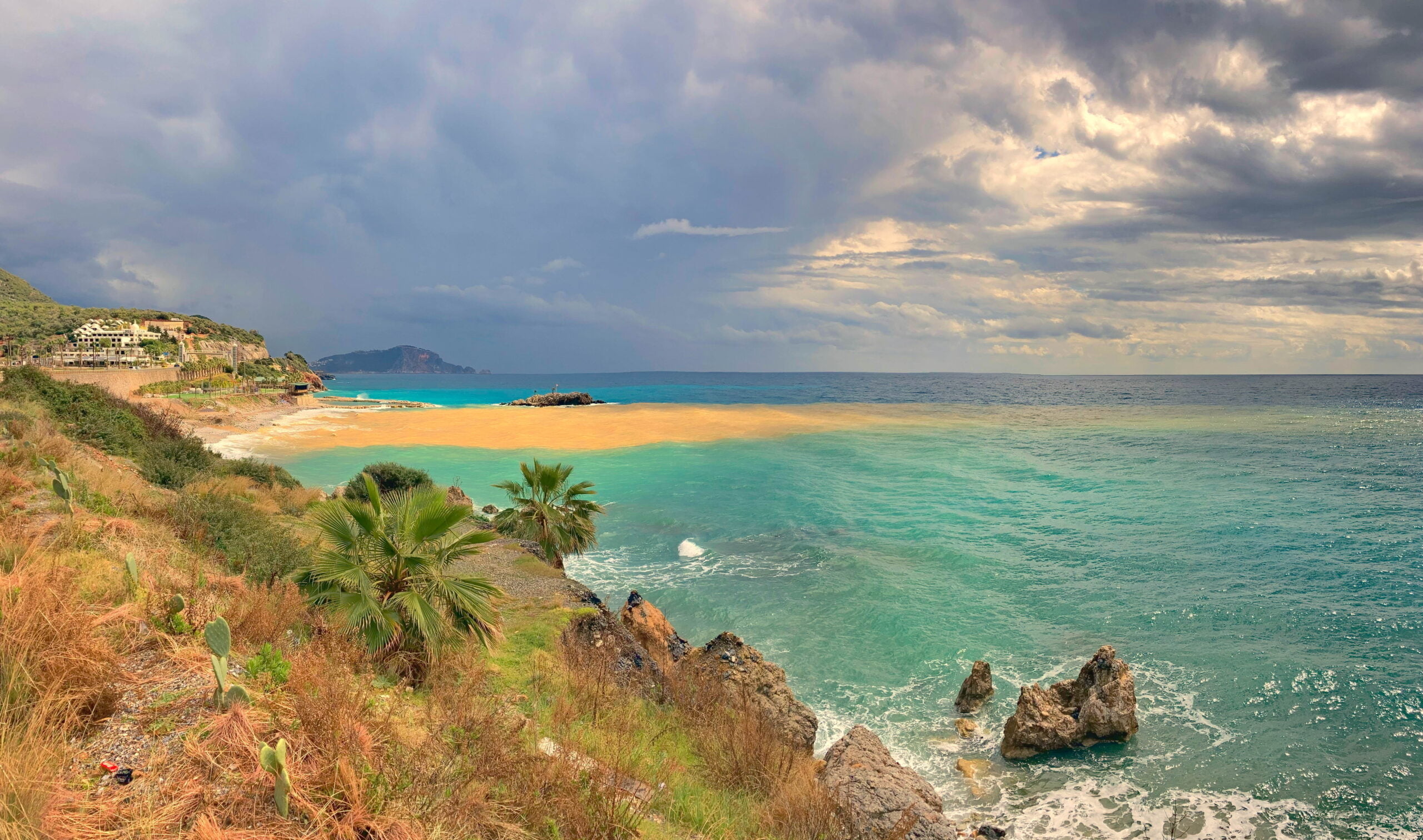
We spend our time in Alanya writing blogs, making videos and most importantly having Milady Landy serviced. We walk to the beach and especially enjoy the luxury of our apartment.
From Alanya to Konya
After the maintenance has been carried out on the car, we can drive into the mountains, towards Konya.
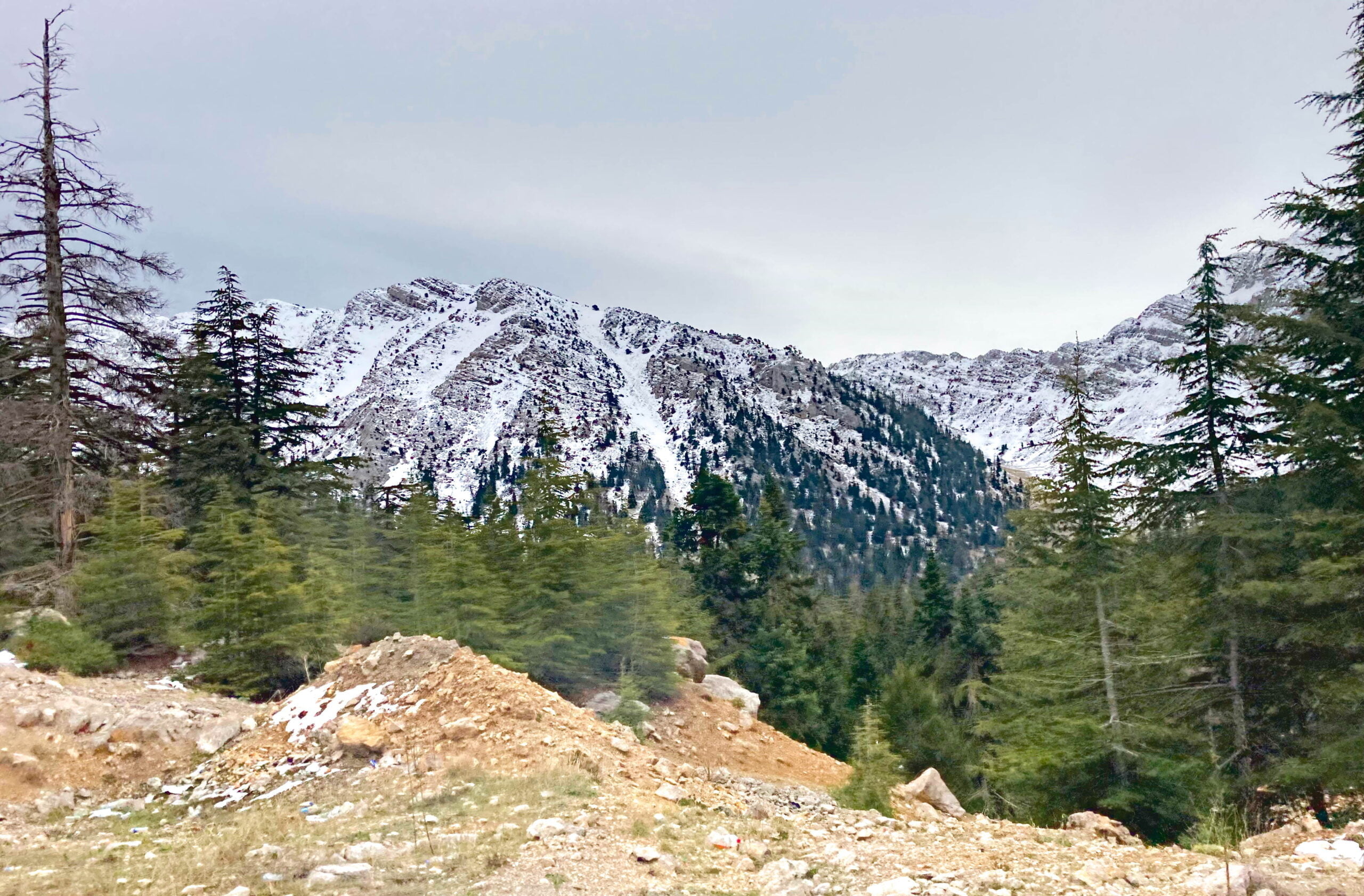
High mountains in Yarpuz
A random village along the way where Sonja took these beautiful pictures.


The city of Beyşehir and the lake
Our route is often determined by the places to stay that we can find. This is also the case in Beyşehir, where we find a nice place to spend the night at Lake Beyşehir.


When we pack up the next morning, it turns out that we have spent the night near a kind of memorial for the heroes of the region.


The mosque of Beyşehir is centuries old and has a beautifully decorated interior, mainly made of wood.


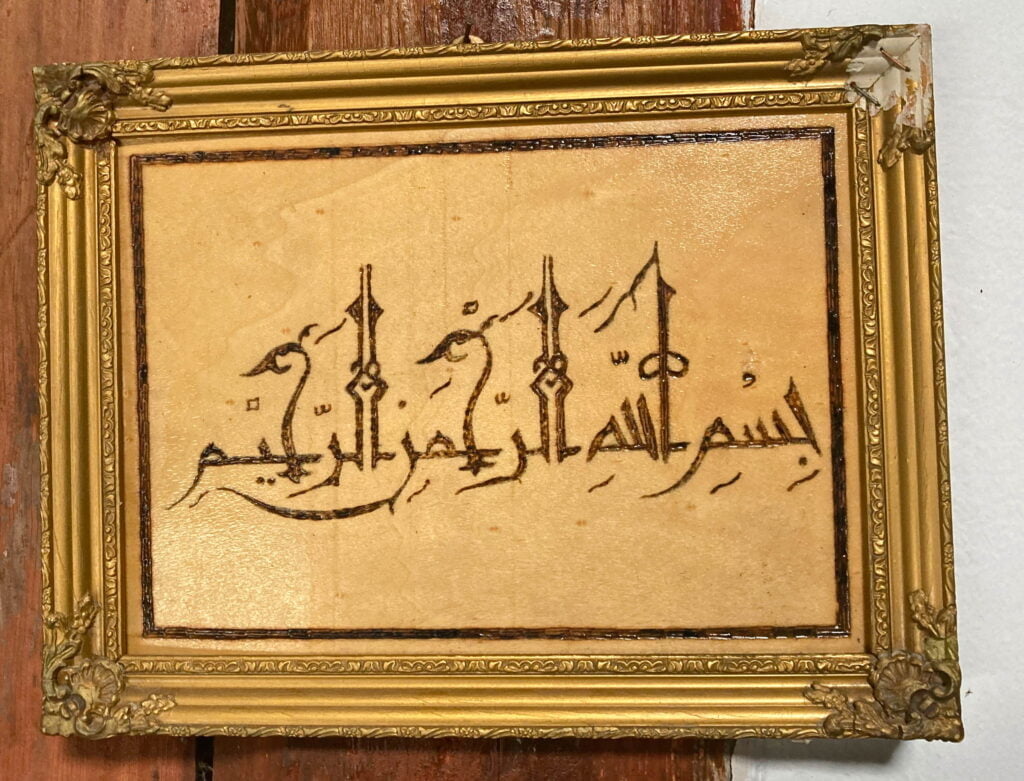


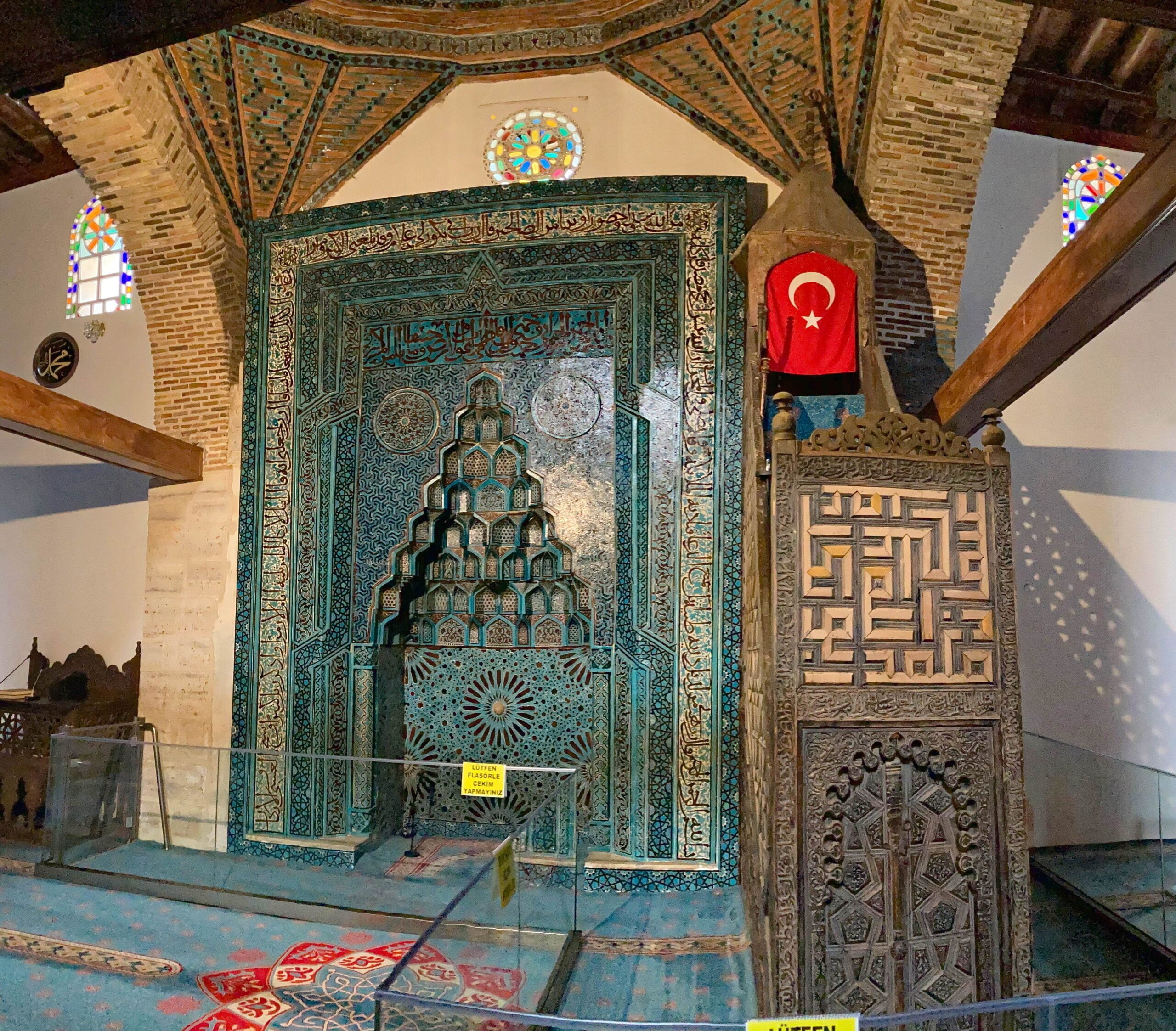

We are the only visitors in this serene space.
Konya and surroundings
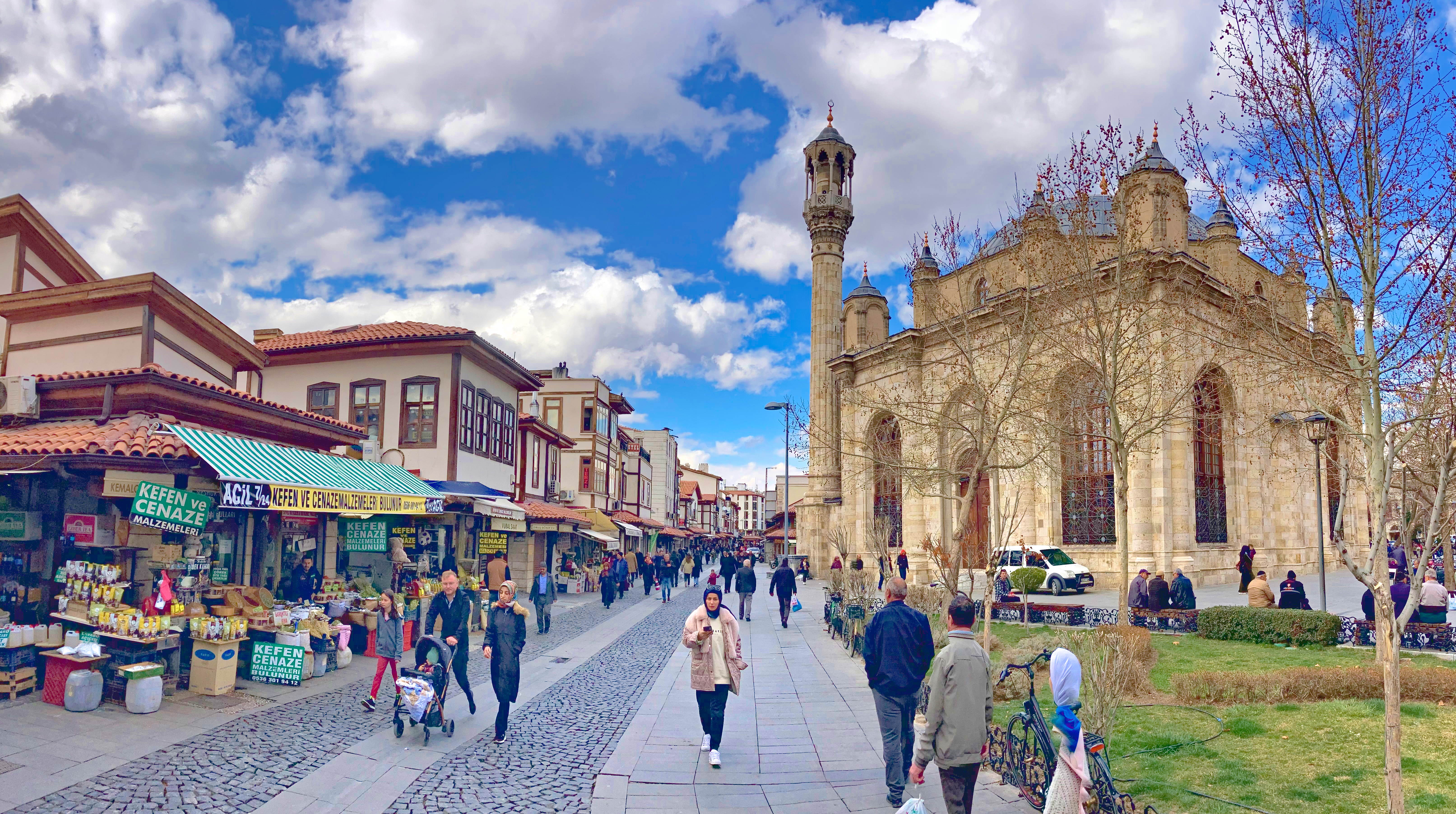
When we approach the city from the mountains, we see a city of millions in front of us. Many apartment buildings and new neighborhoods have been built around the center. Nevertheless, the city center gives a spacious and clean impression. We park at the Panorama Konya museum and walk into the city.
Konya city and the Sufi cleric Mevlana
We walk through the old city and experience the spaciousness and cleanliness of the streets and squares.



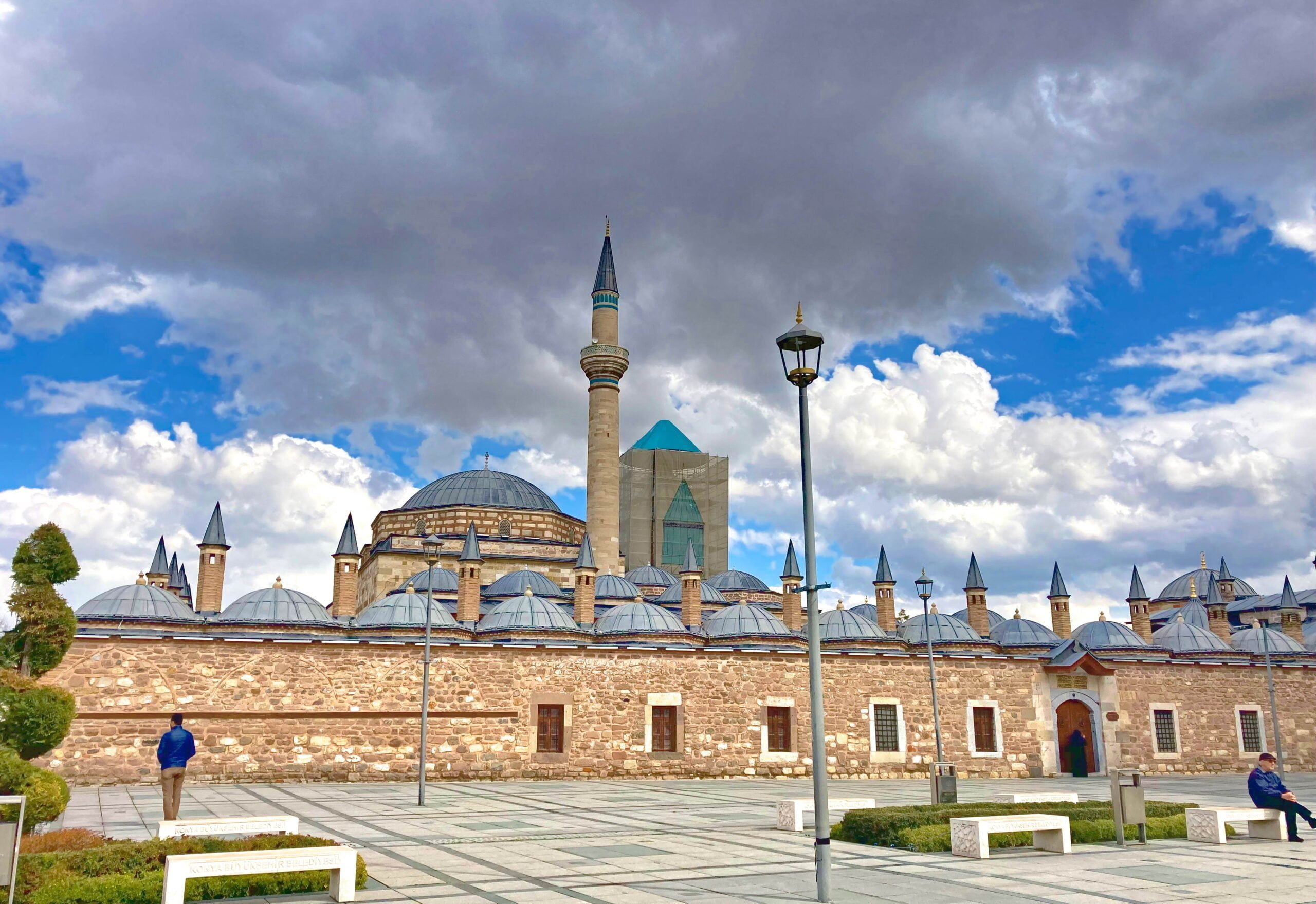
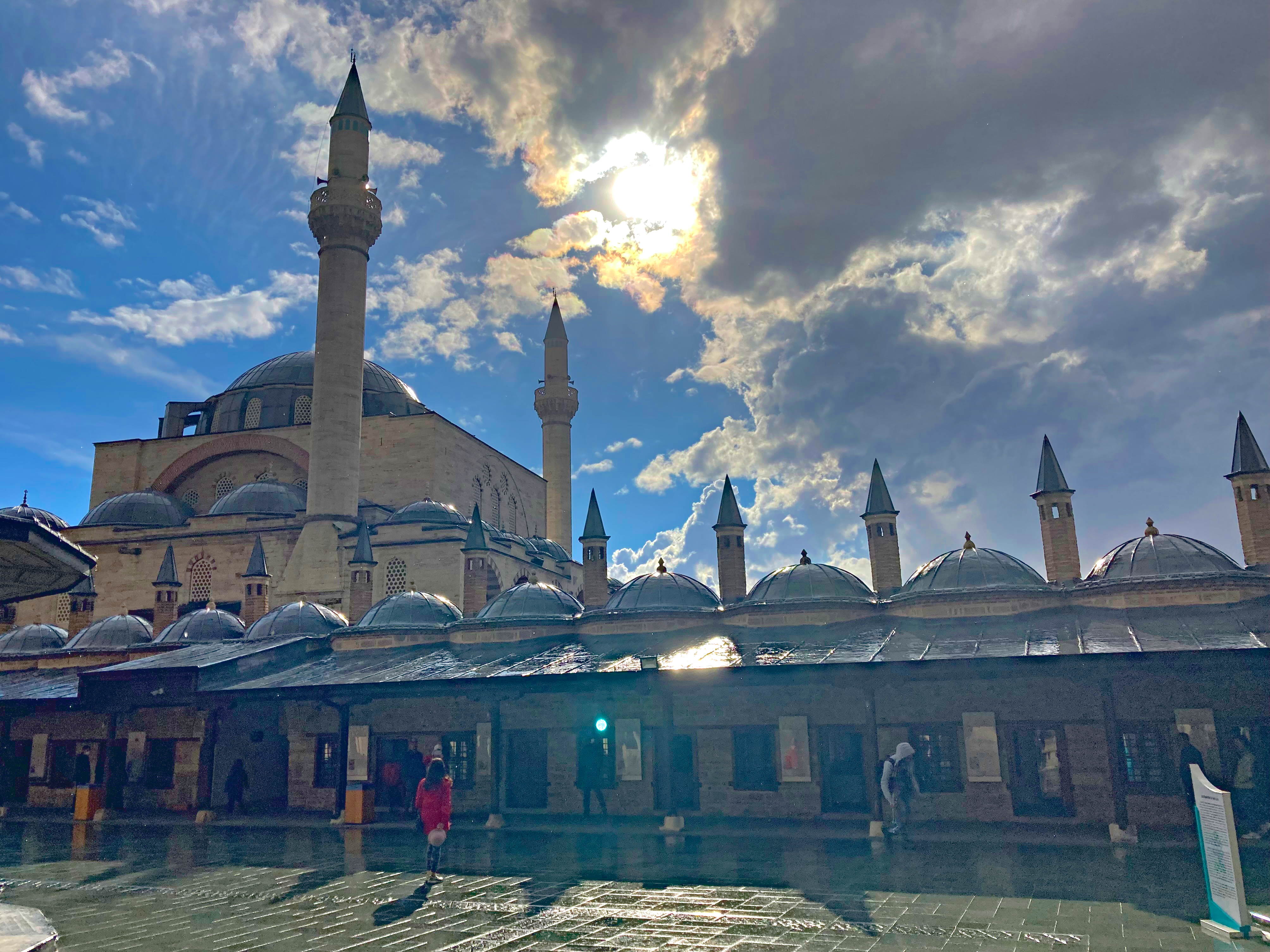
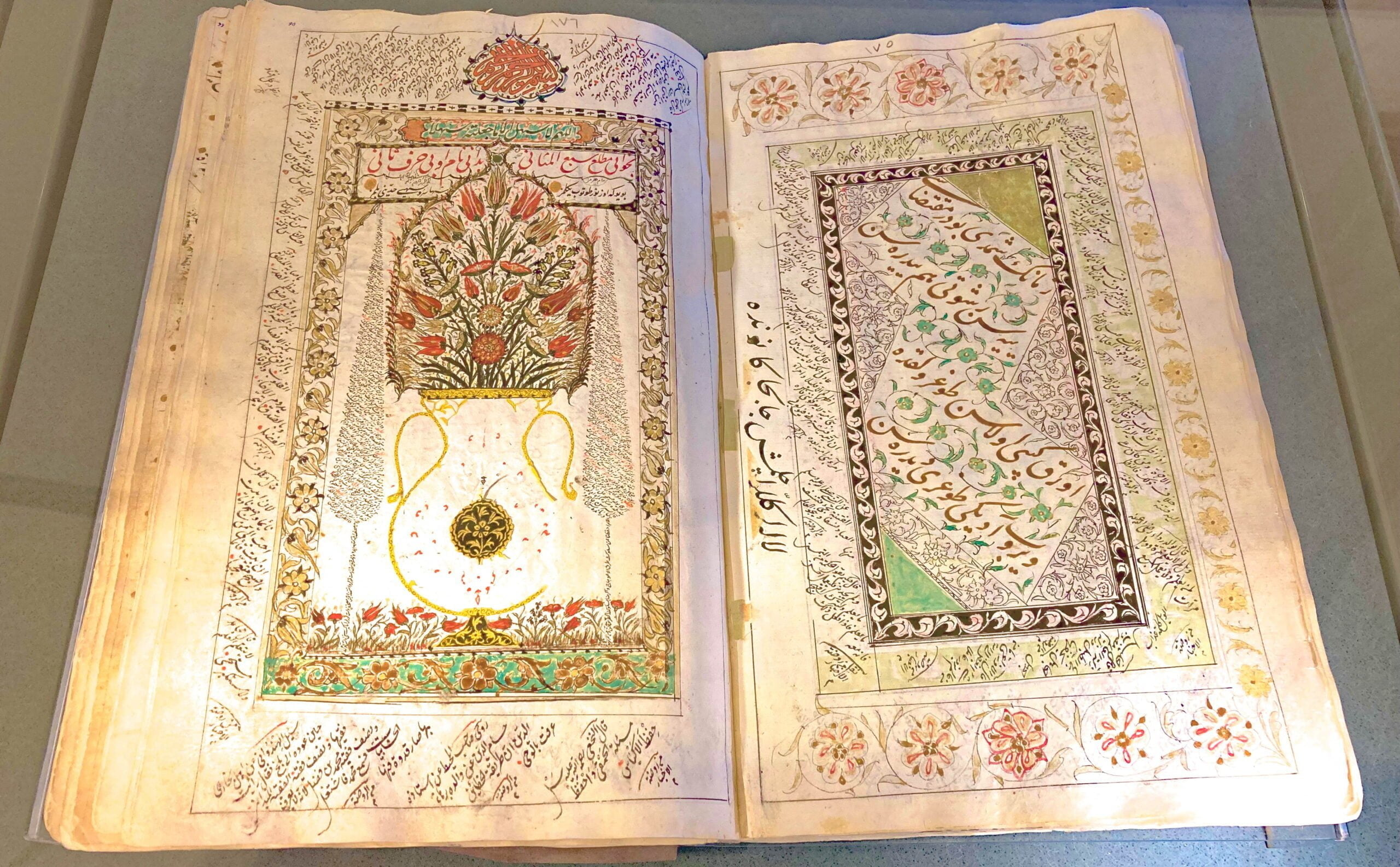
The Mevlana Shrine and Museum offers an insight into Sufi teachings within Islam. The complex houses a mausoleum for a number of distinguished Sufi clerics including Jalal ad-Din Rumi, also called Mevlana.


Cave dwellings of Sille
The town of Sille near Konya is known for its cave houses, but also offers a beautifully restored Orthodox church.


In the village there is also a beautiful historical mosque with a wooden interior.


Konya Kelebek Bahçesi (Butterfly Garden)
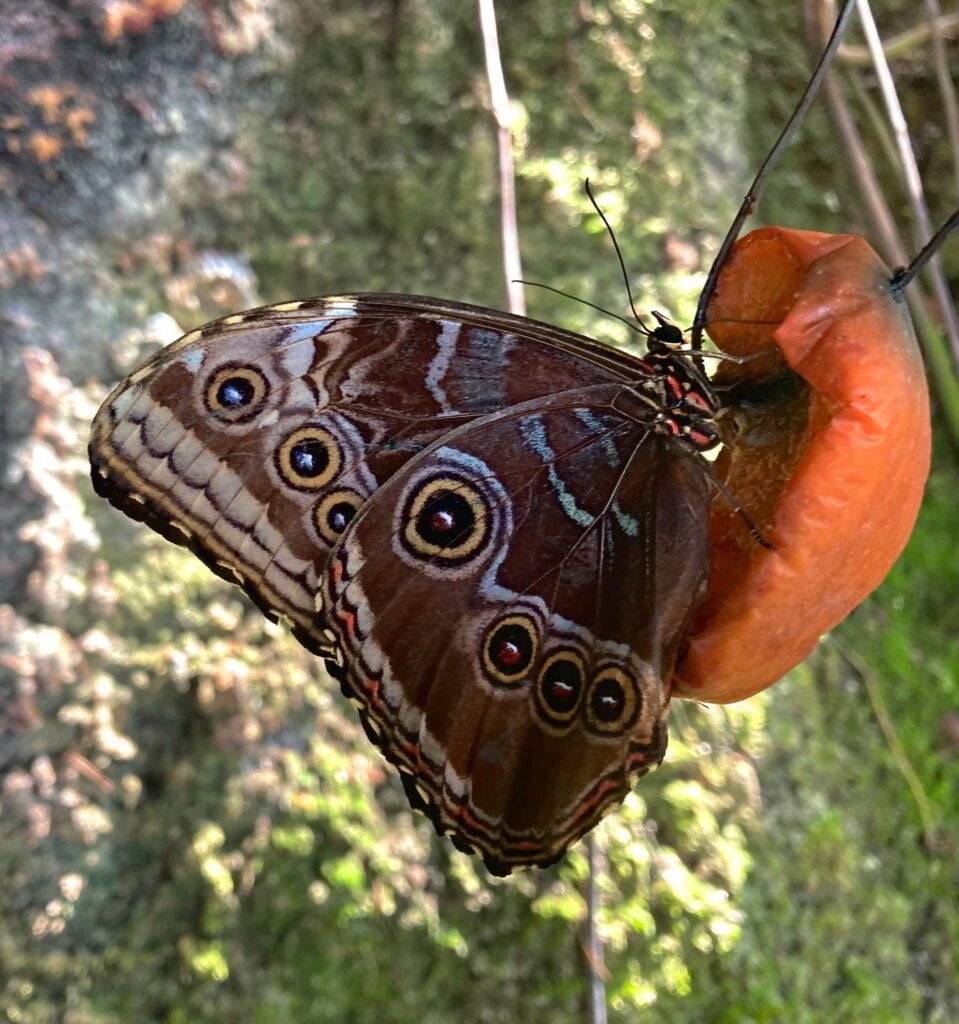
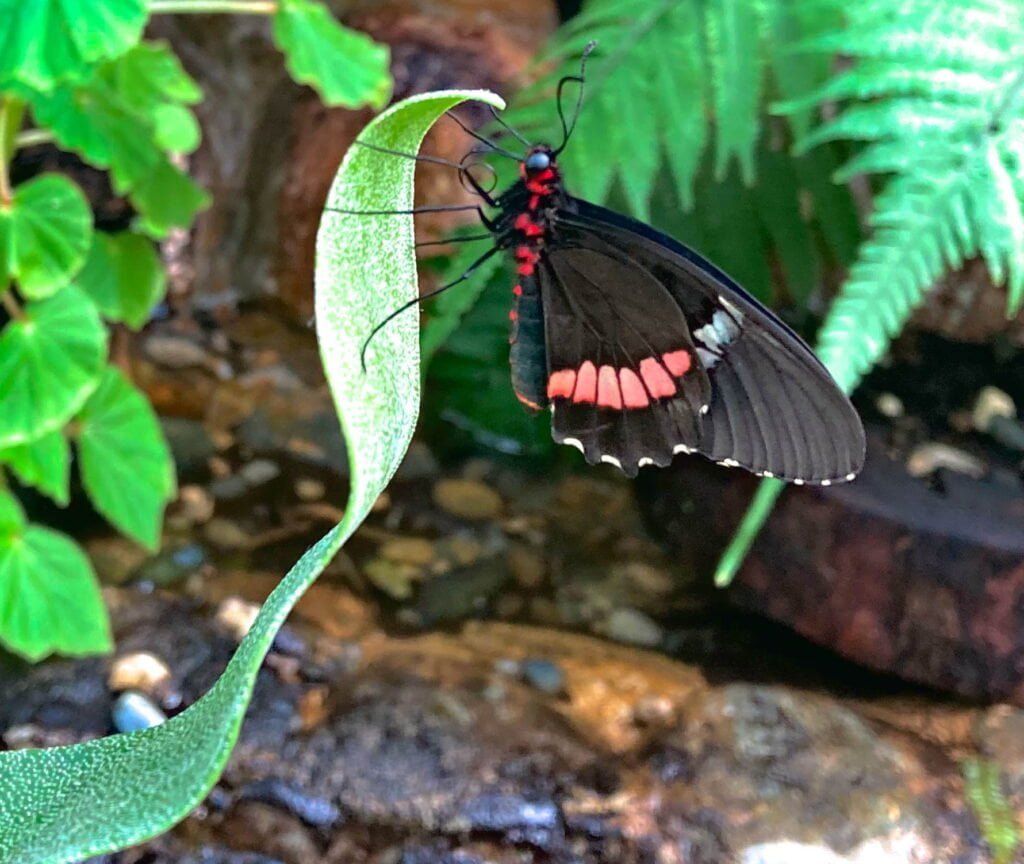
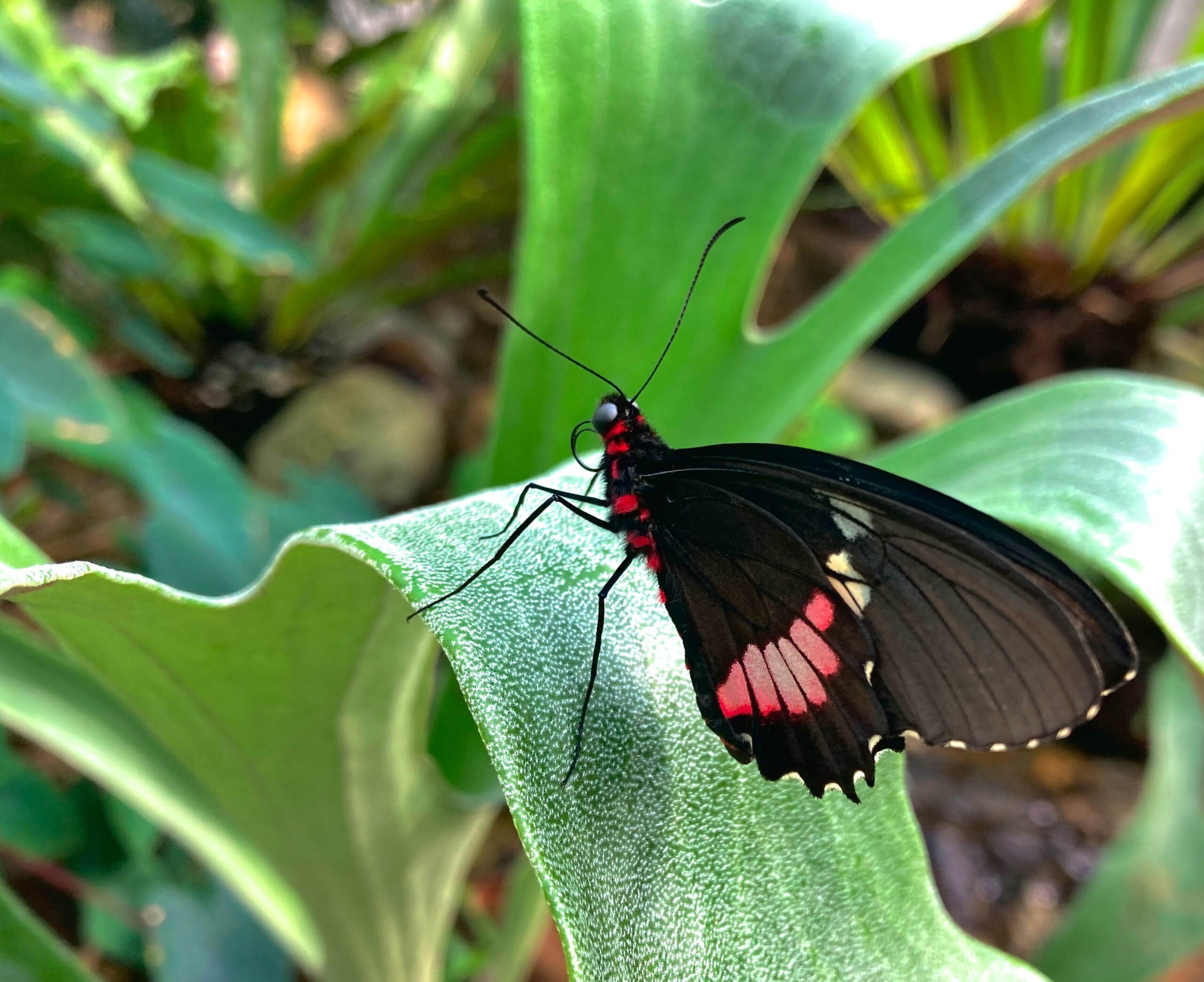
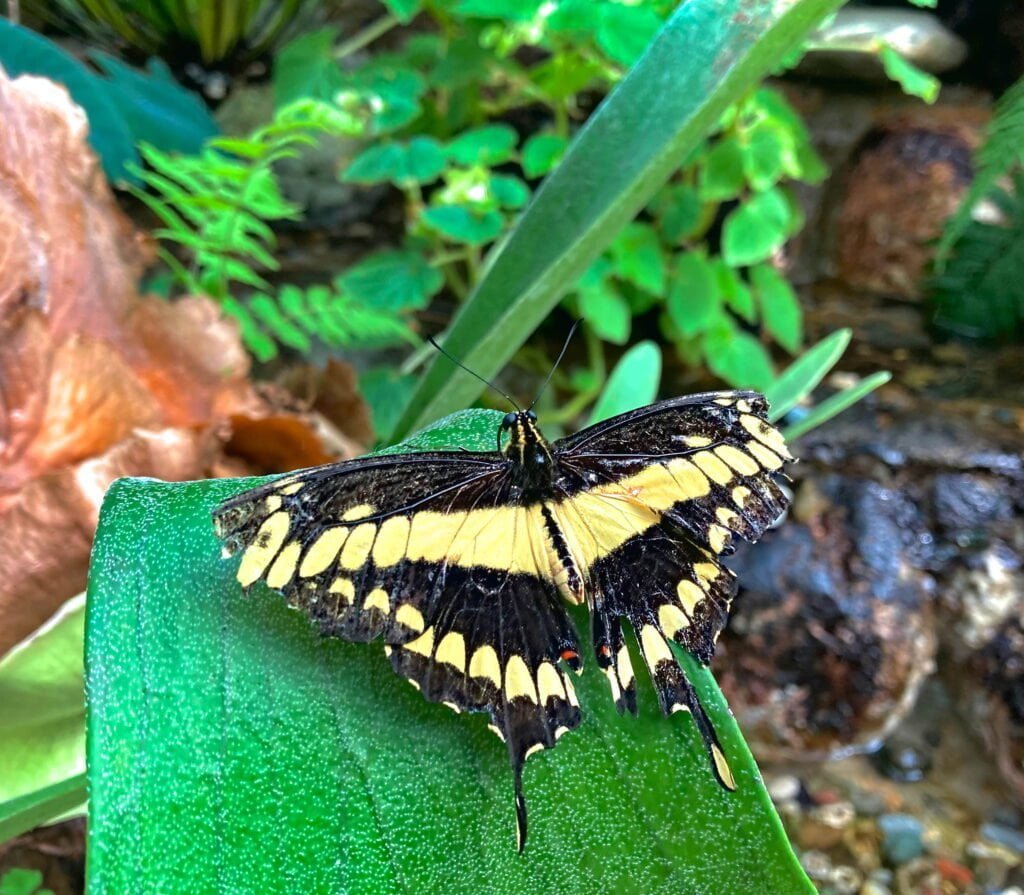
Konya has a butterfly garden, a nice change from the hustle and bustle of the city. We walk around here for an hour and imagine ourselves in the tropics with the temperature of 28°C.


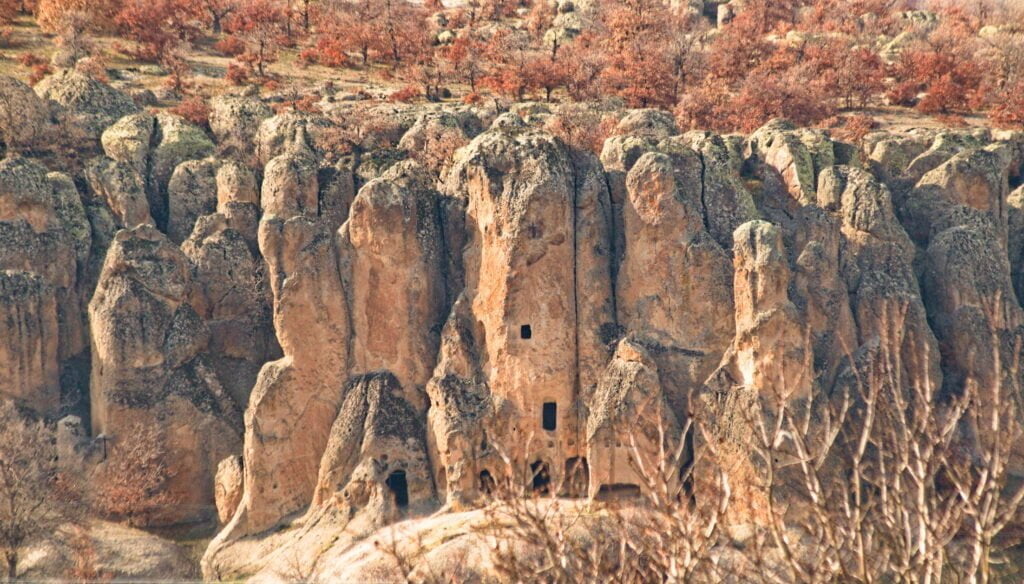
The cave dwellings of Kilistra
We also visit the cave houses in Kilistra. Here you can clearly see how these houses are carved into the rocky layers in the landscape.


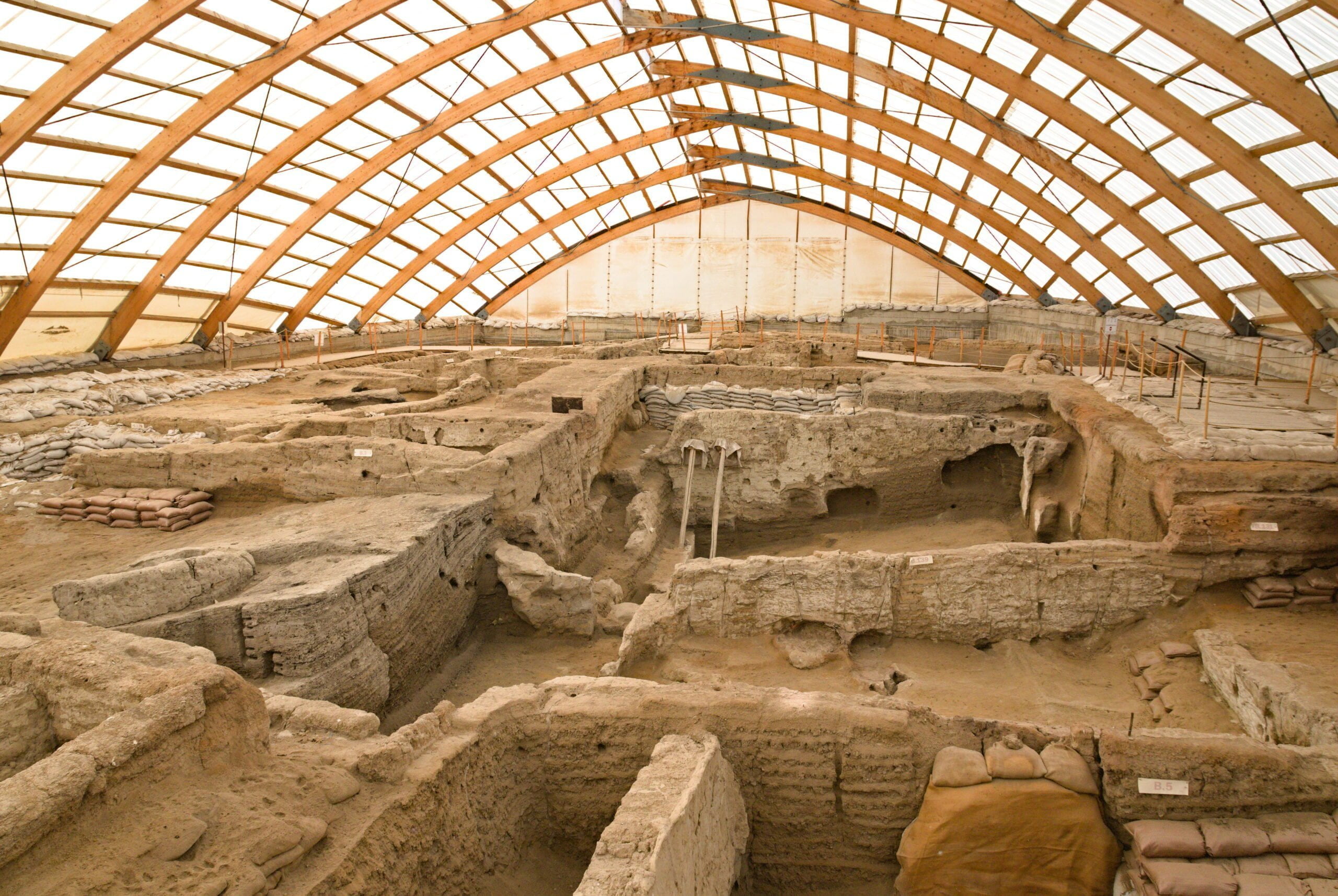
The 9,000 year old city of Çatalhöyük
During our visit to Çatalhöyük we realize again how rich and old the history of Turkey is. In Çatalhöyük, a settlement was founded about 9,000 years ago where people lived together peacefully and with respect for their environment. The small museum with a number of replicas of excavated mineral treasures provides a nice insight into the history of this special place.


The Whirling Dervishes of Konya
When we arrive back in Konya after two days of driving around, we settle down at the free camper place: Karatay Belediyesi Karavan Par. With free electricity, water and a toilet block with hot showers, this is one of the best facilities we find in Turkey.
We are back in Konya on Saturday, because tonight at 9 pm is the performance of the Whirling Dervishes.

It is now Ramadan, or ramazan in Turkish, and Sema is only to be observed on Saturday evenings after iftar.
Wikipedia:
During this Sema, a ritual dance, the monks, dressed in characteristic robes and tapered fezzes, spin faster and faster, so that they become ecstatic and thus unite their souls with the Supreme.
In the symbolism of the Sema ritual, the semazen’s camel’s hair hat (sikke) represents the tombstone of the ego; his wide, white skirt (tennure) represents the ego’s shroud. By removing his black cloak (hırka), he is spiritually reborn to the truth. At the beginning of the Sema, by holding his arms crosswise, the semazen appears to represent the number one, thus testifying to god’s unity. While whirling, his arms are open: his right arm is directed to the sky, ready to receive god’s beneficence; his left hand, upon which his eyes are fastened, is turned toward the earth. The semazen conveys god’s spiritual gift to those who are witnessing the Sema. Revolving from right to left around the heart, the semazen embraces all humanity with love. The human being has been created with love in order to love. Mevlâna Jalâluddîn Rumi says, “All loves are a bridge to Divine love. Yet, those who have not had a taste of it do not know!”
The huge hall of the Mevlana Cultural Center can seat about 2,500 visitors, tonight no more than 150 are occupied.

The Sema takes the form of a ritual worship with sung passages from the Qur’an and from the works of Mevlâna Jalâluddîn Rumi. The whole is very spiritual and serene and the hall is completely silent, both during and after the performance.


