
When I, Gert Jan, visited Poland in 1978 with 3 friends (Heinrich, Joost and Peter) there was hardly any tourism. The Wieliczka Salt Mine was one of the highlights of that trip. We explored the underground passages largely independently at the time. We were also amazed at the exceptional works of art that the miners had carved out of the salt stone.

Today, February 1, 2022, we explore the mine with an English-speaking guide. He tells, with the necessary dose of humor, about the history of the mine and the origin of the various works of art. An exceptional and impressive visit to a depth of 130 meters underground.
The first level of the Wieliczka Salt Mine
With the guide we descend slowly to the first level of the Wieliczka Salt Mine, for that we have to descend 64 meters along wooden stairs.


In total, the mine now has 9 levels, 3 of which have been made accessible to the public. The deepest mine levels are still in production.
The miners have put a lot of effort into portraying Polish history on the first level.
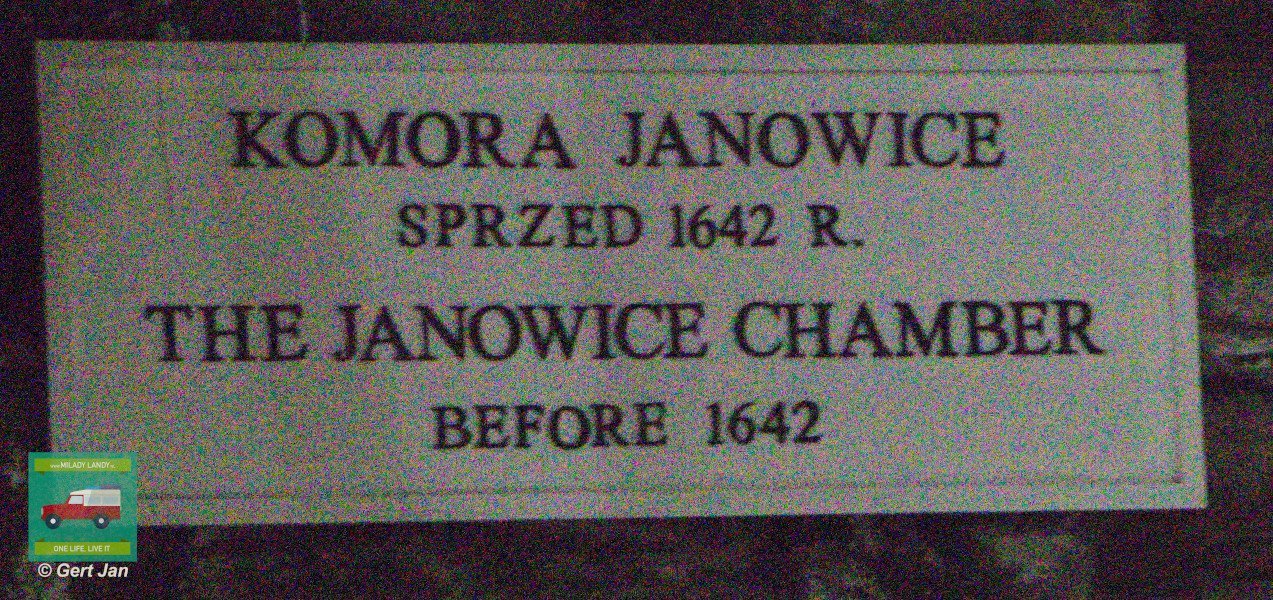
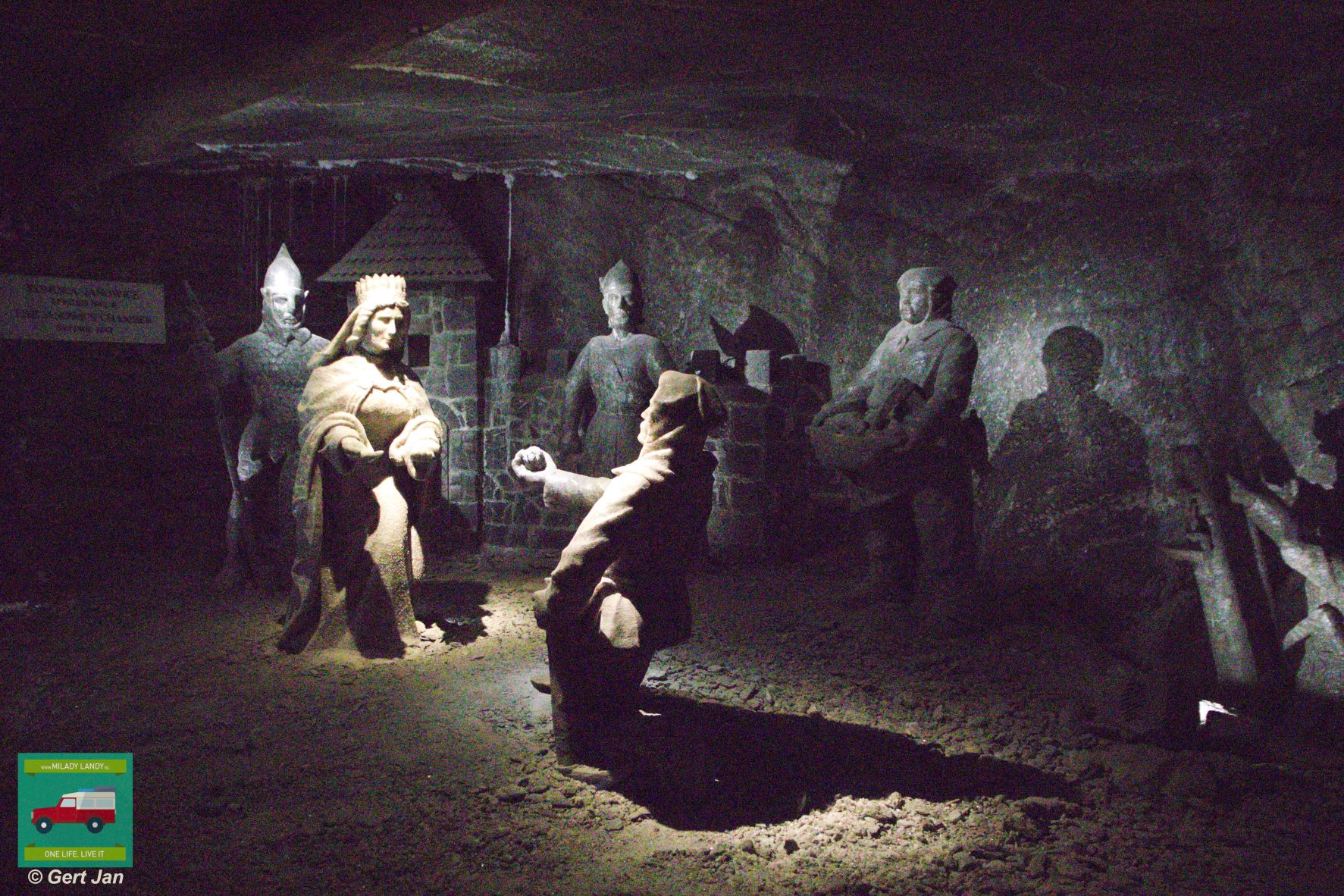
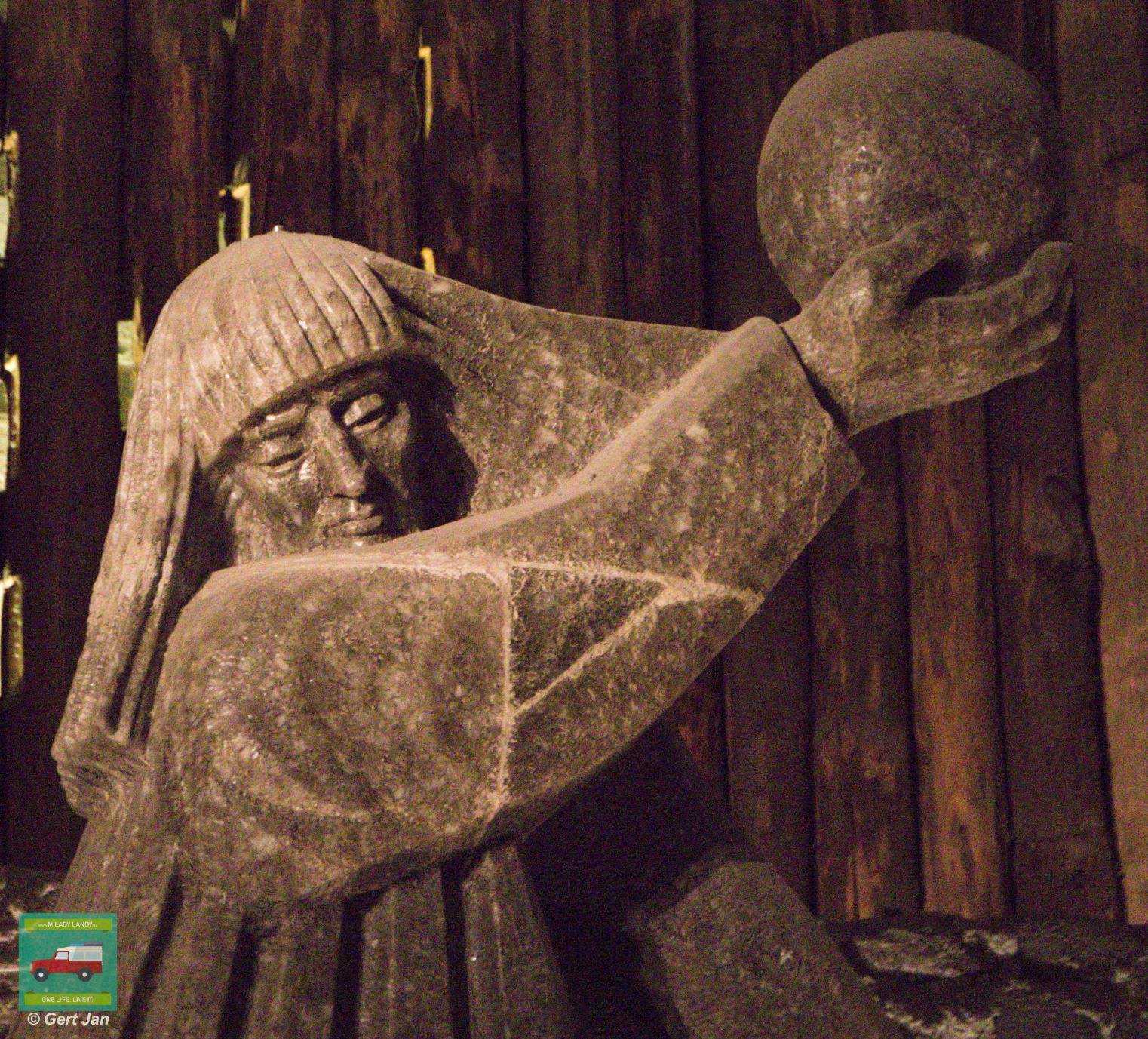
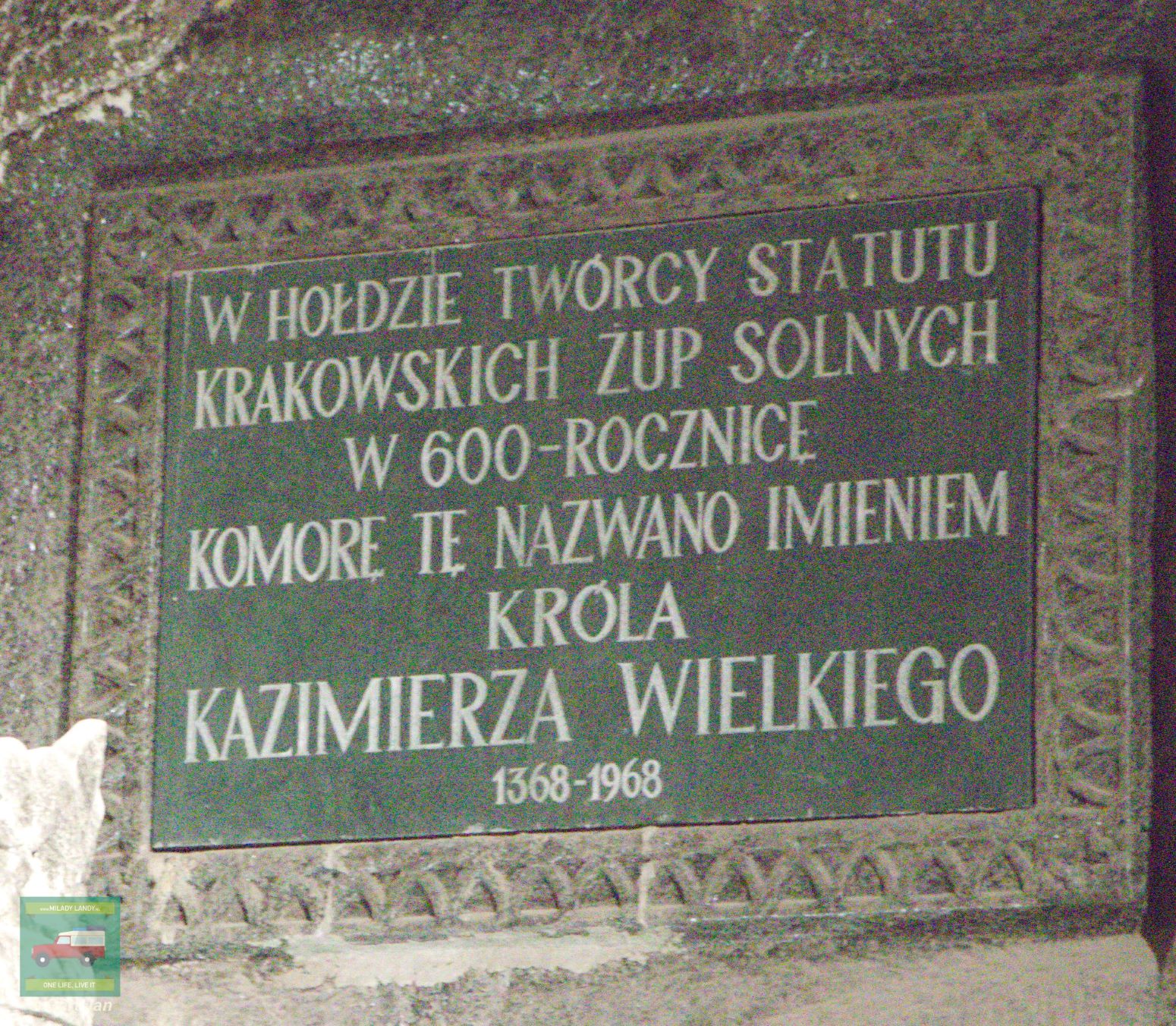
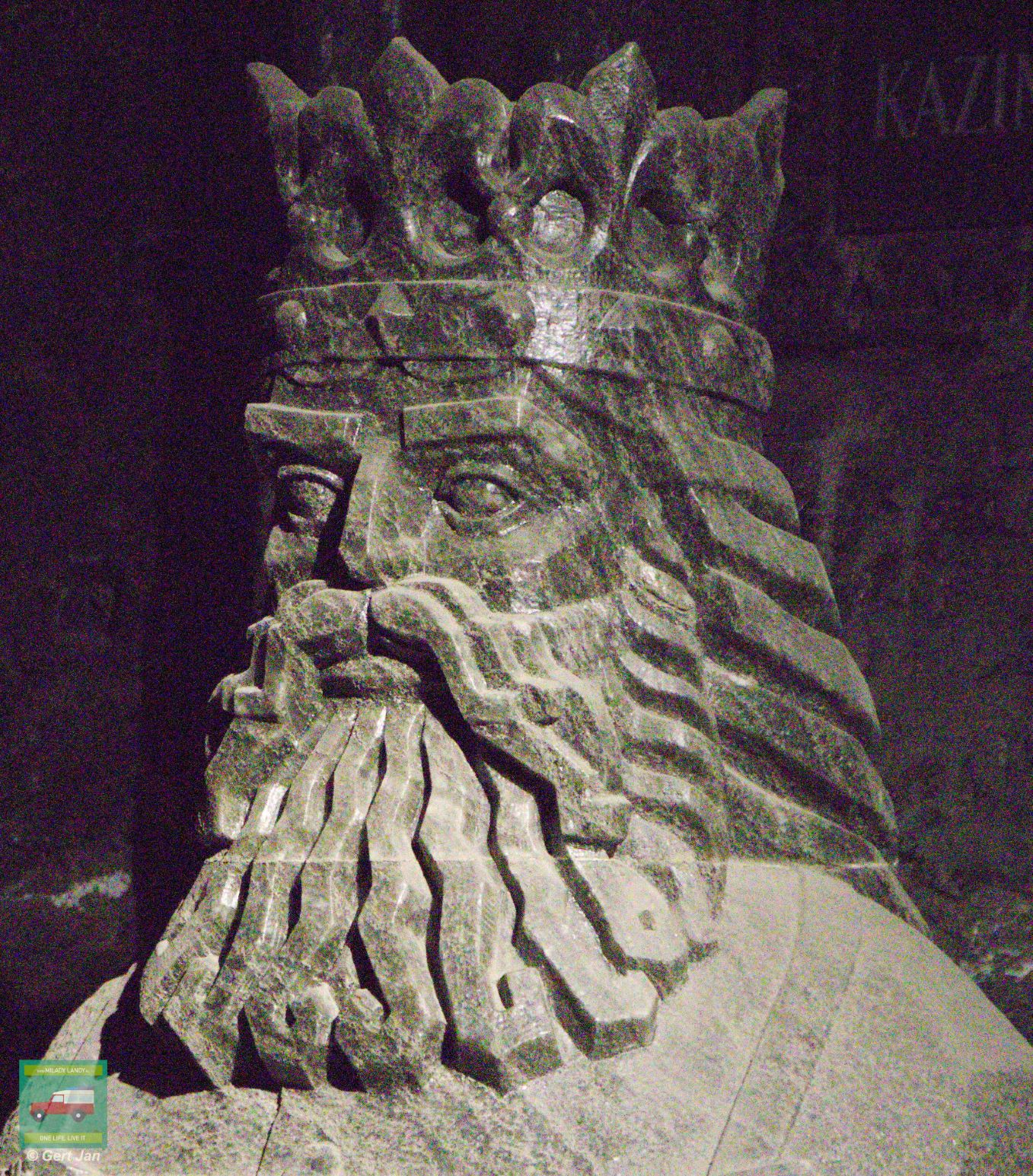
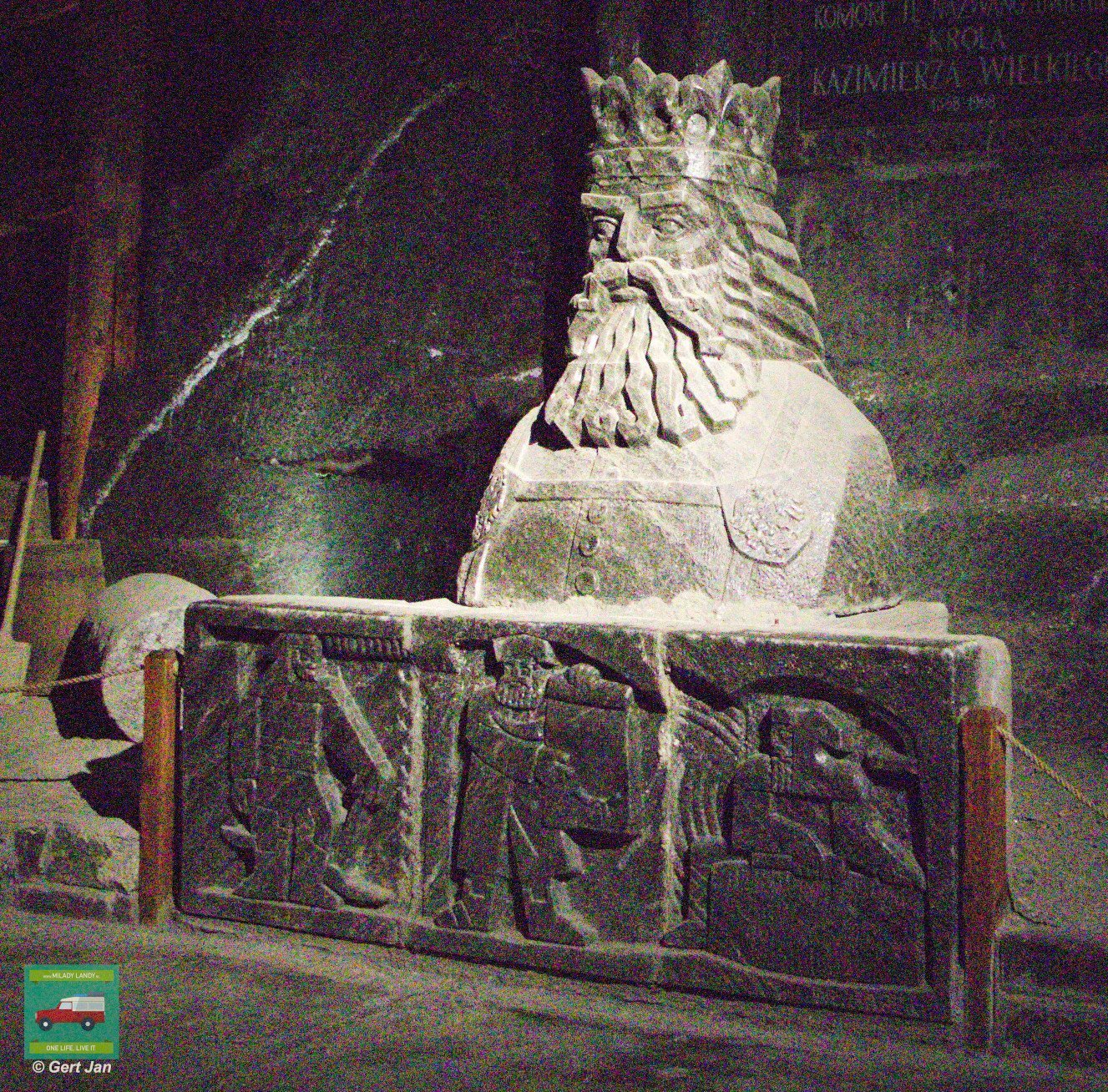
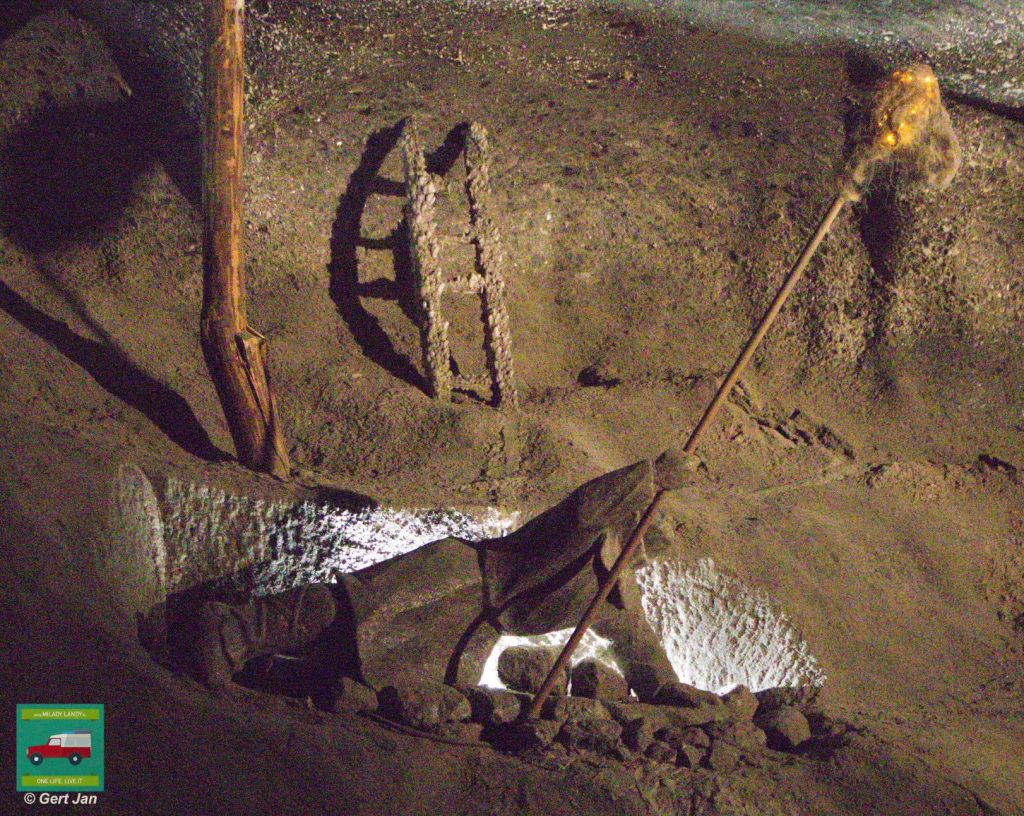
Their own trials under the ground were also depicted, this sculpture depicts the work of the gas burners. At the risk of their own lives, these people had to burn the gas that collected at the top of the mines.
The sculptures are carved from salt stone, which is often very dark. The light, pure veins in the rocks were the most valuable. White salt stone yielded a multiple of the black salt. That black salt was already worth more than gold at the time.

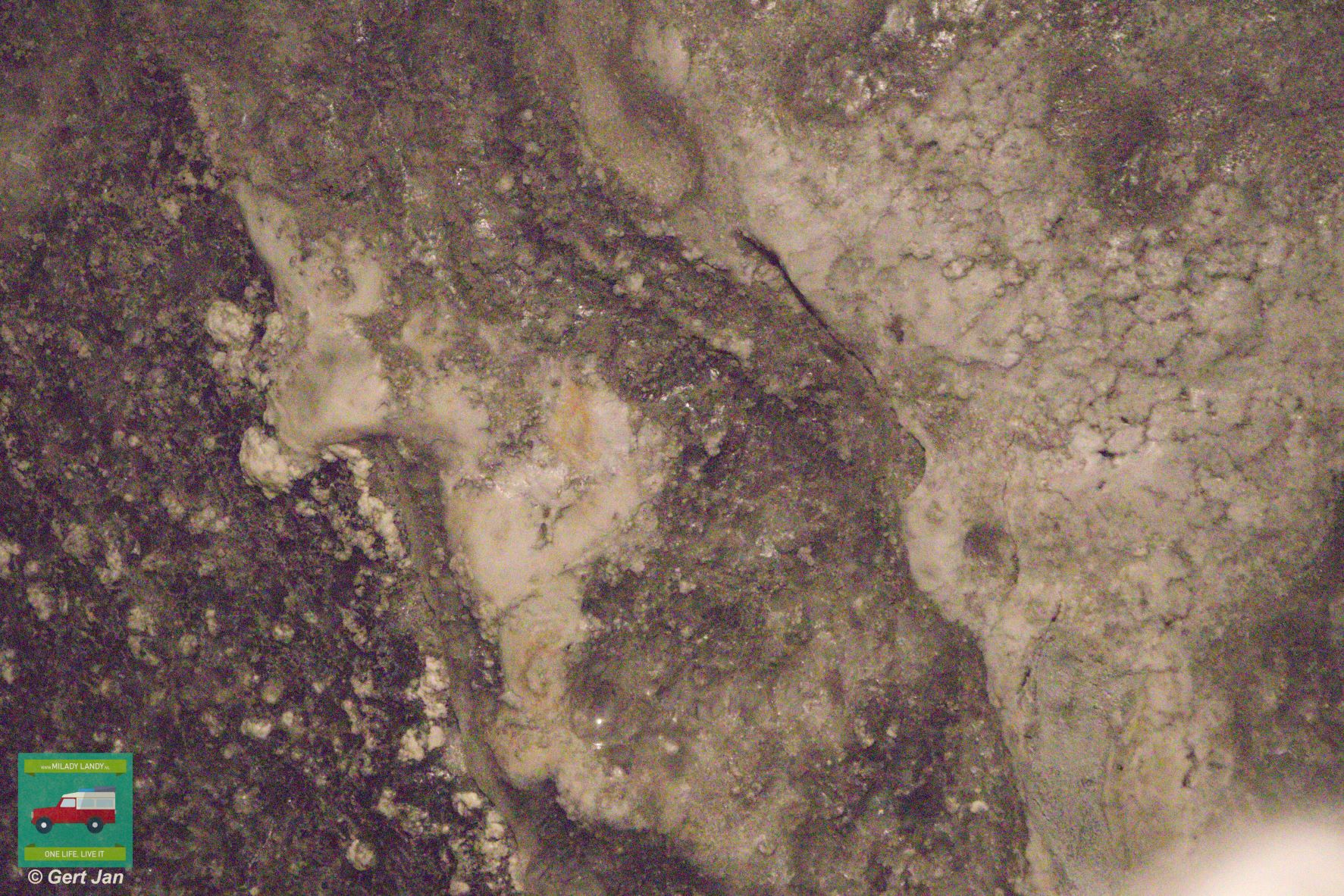
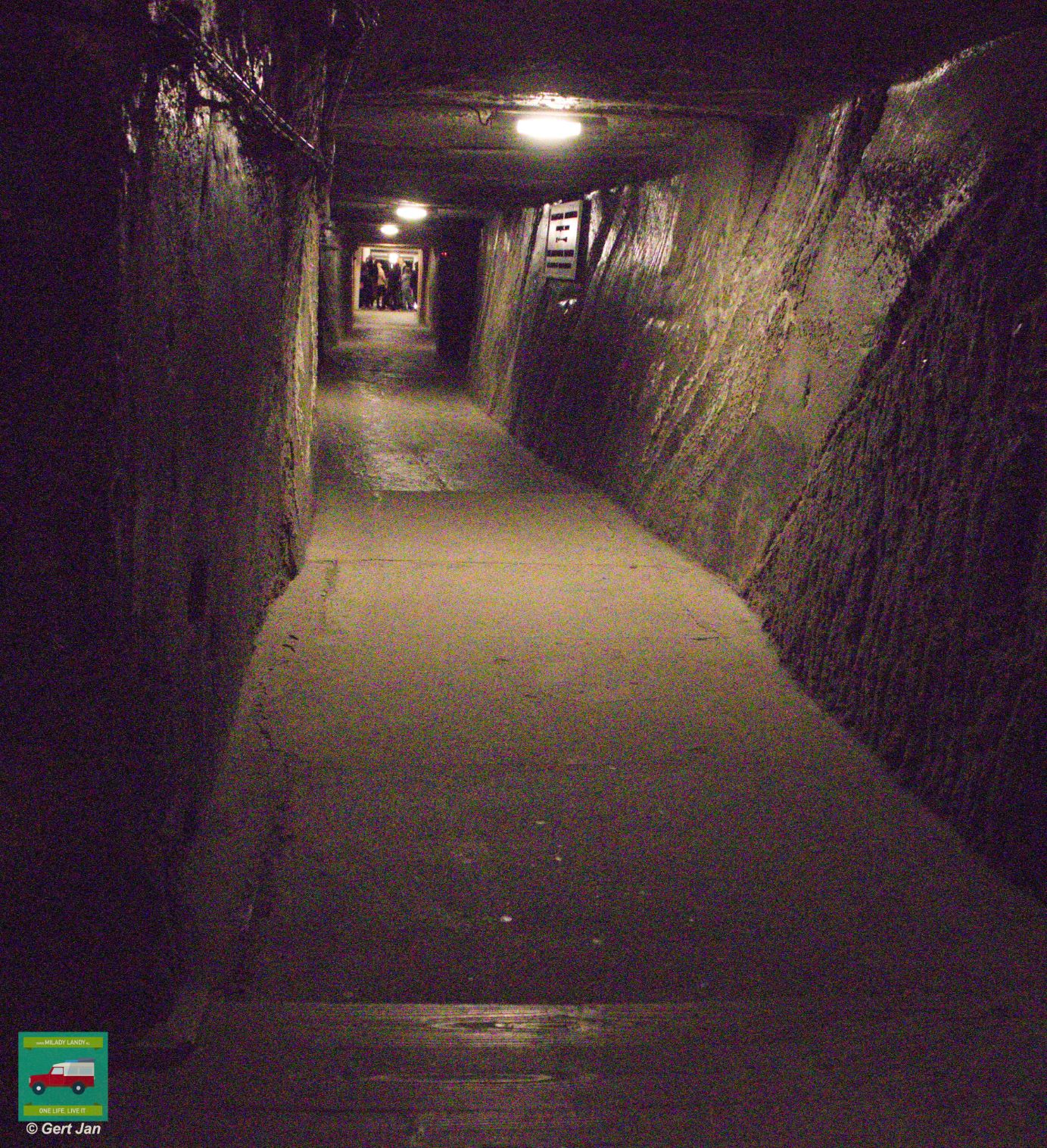
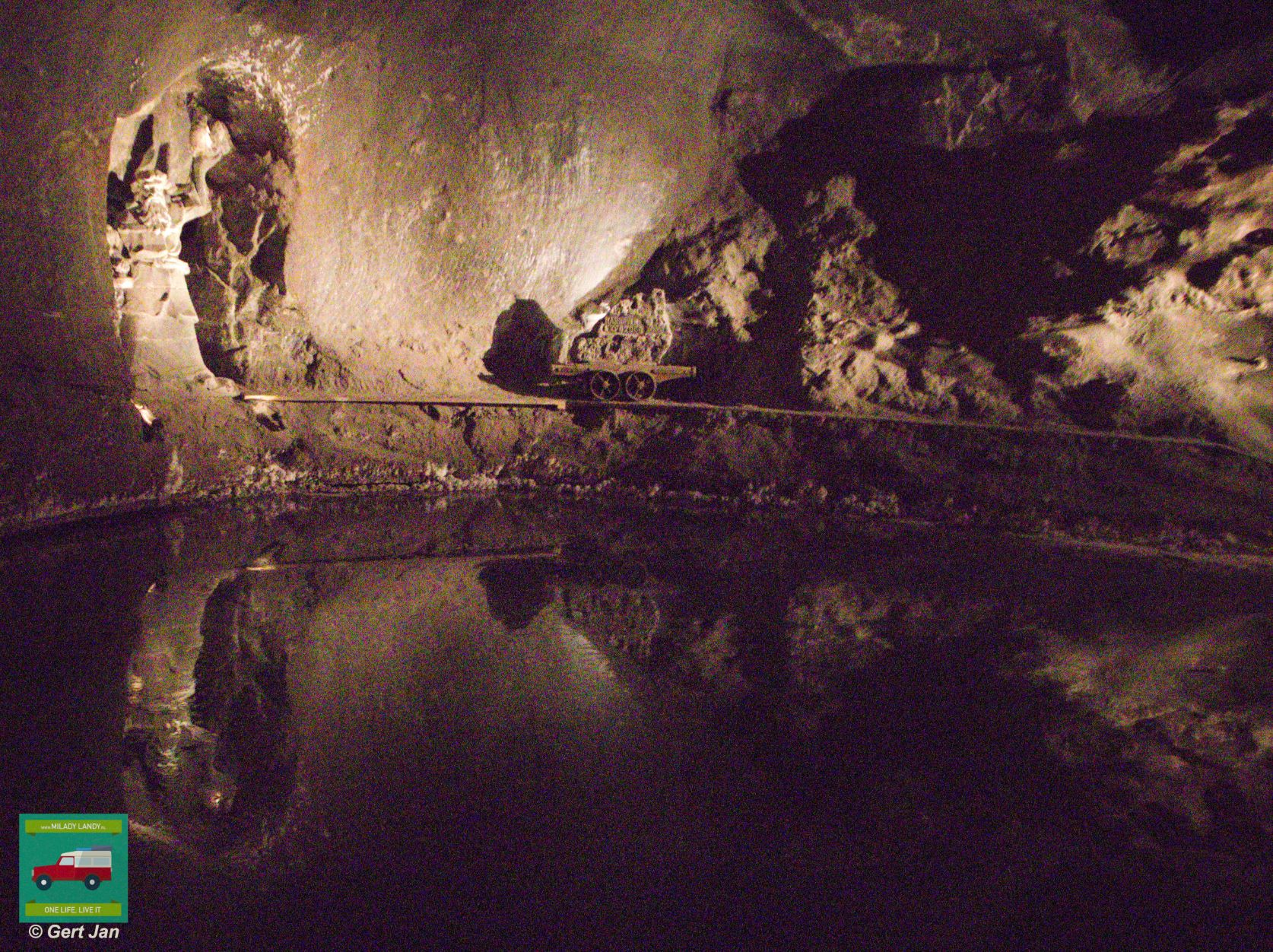
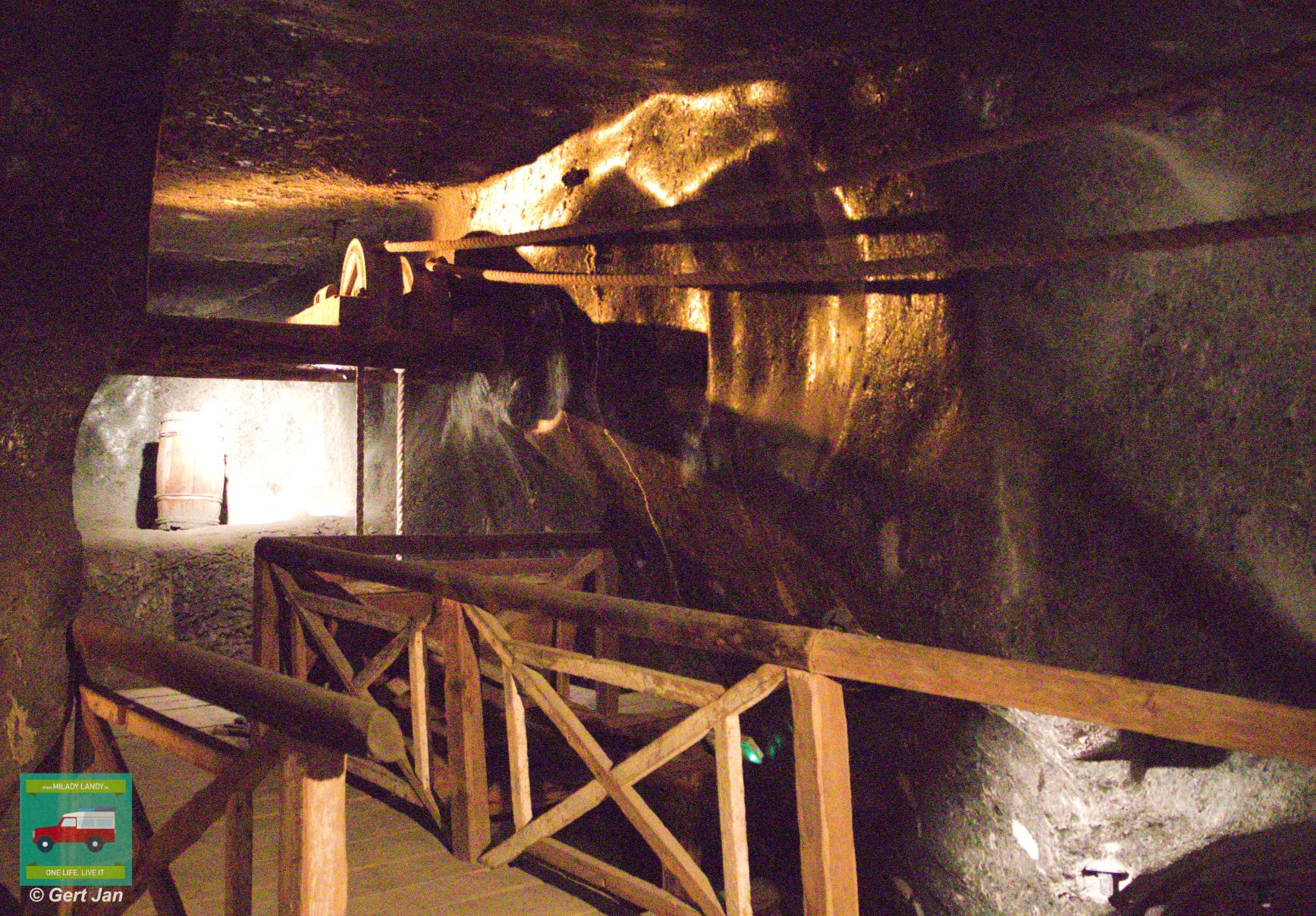
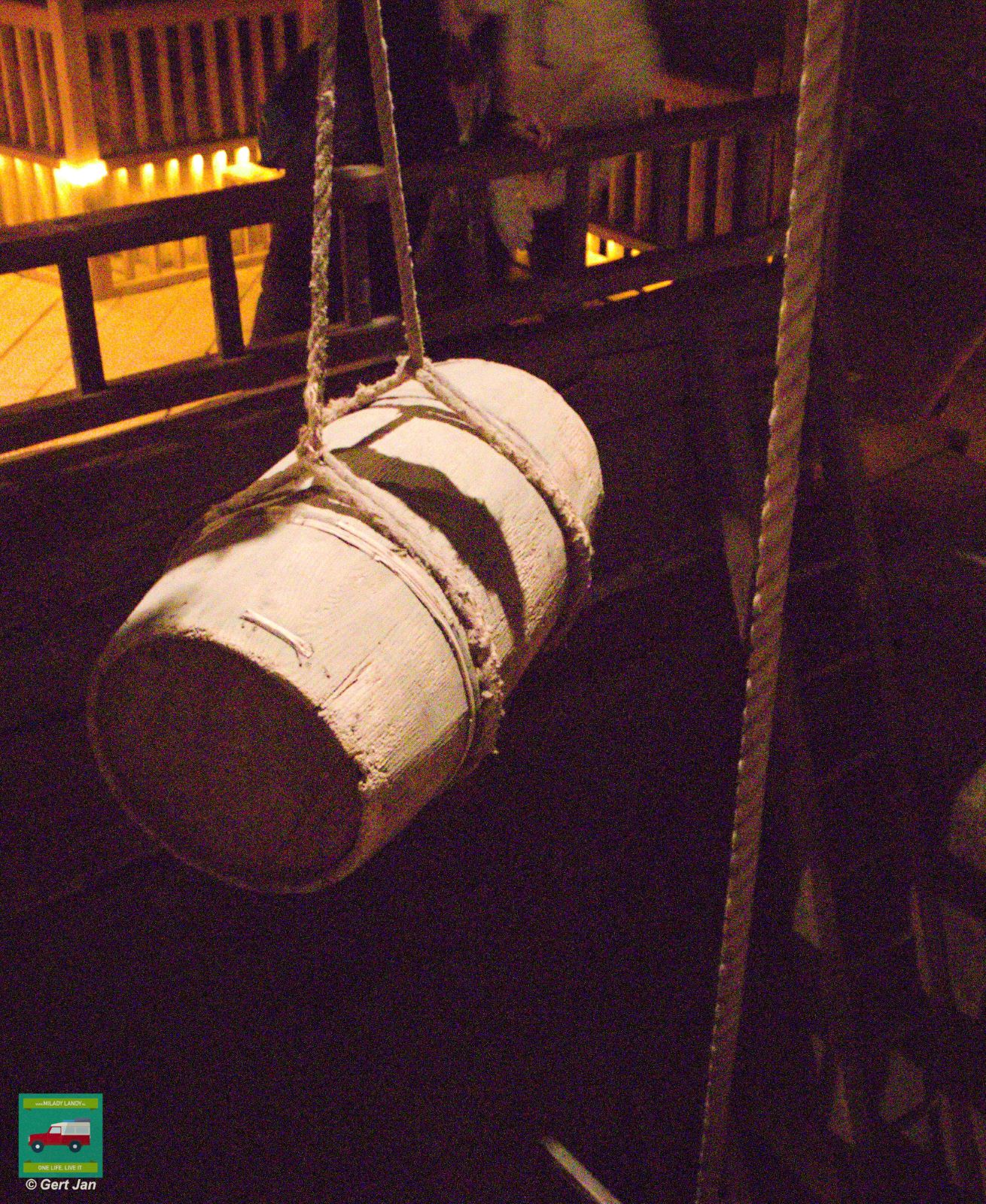
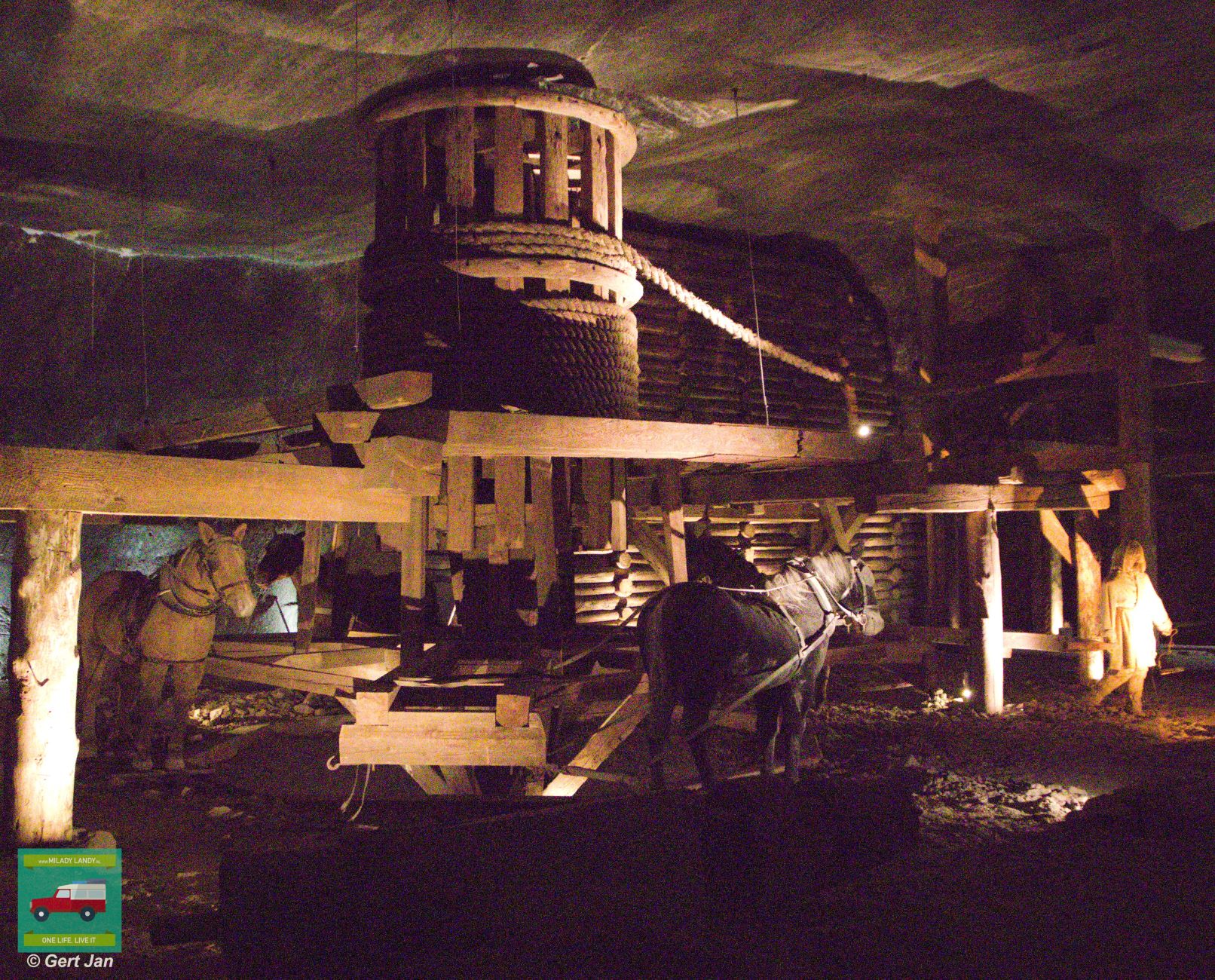
Much attention has been paid to the way salt has been extracted over the centuries in the mine galleries and domes. Manpower was replaced by horsepower.
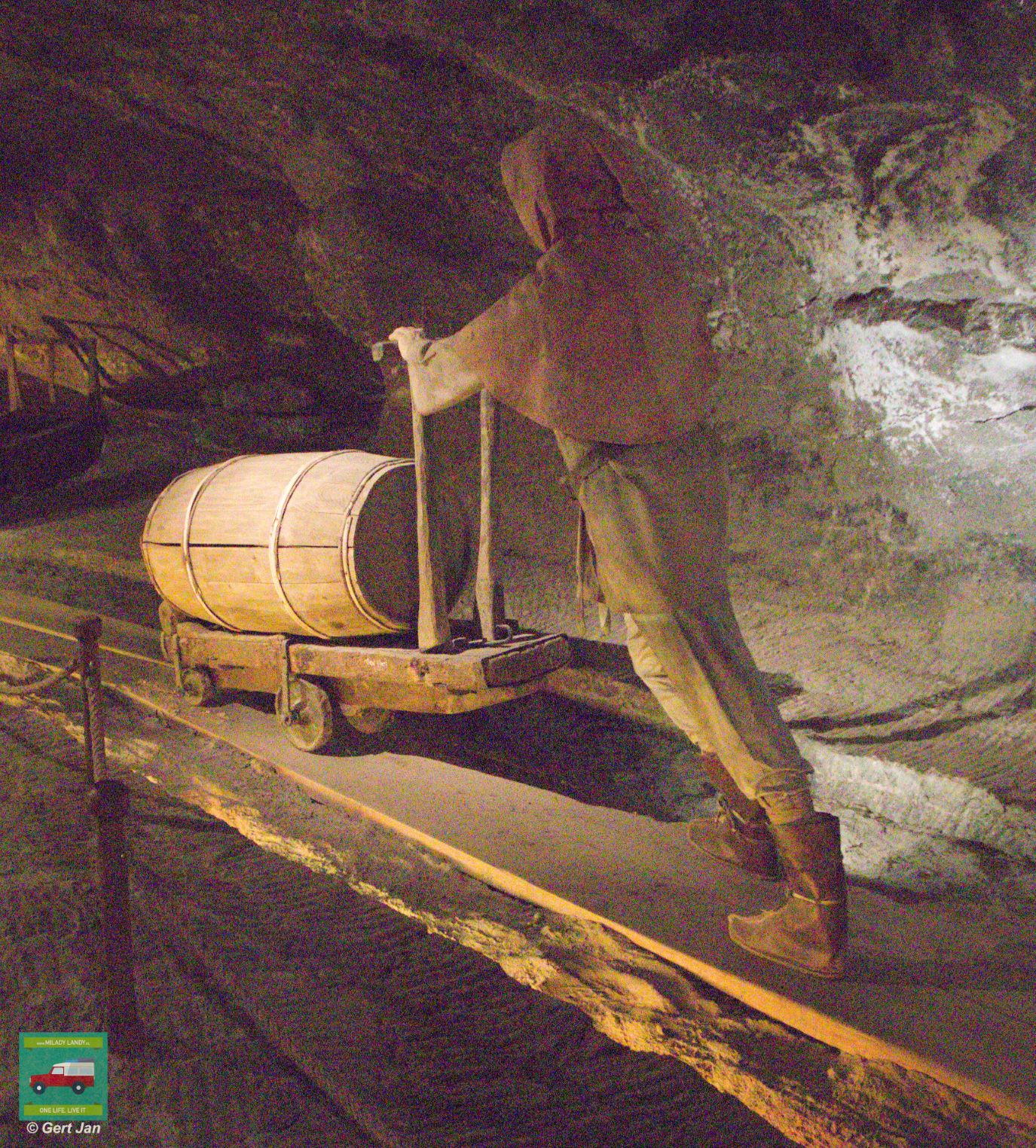
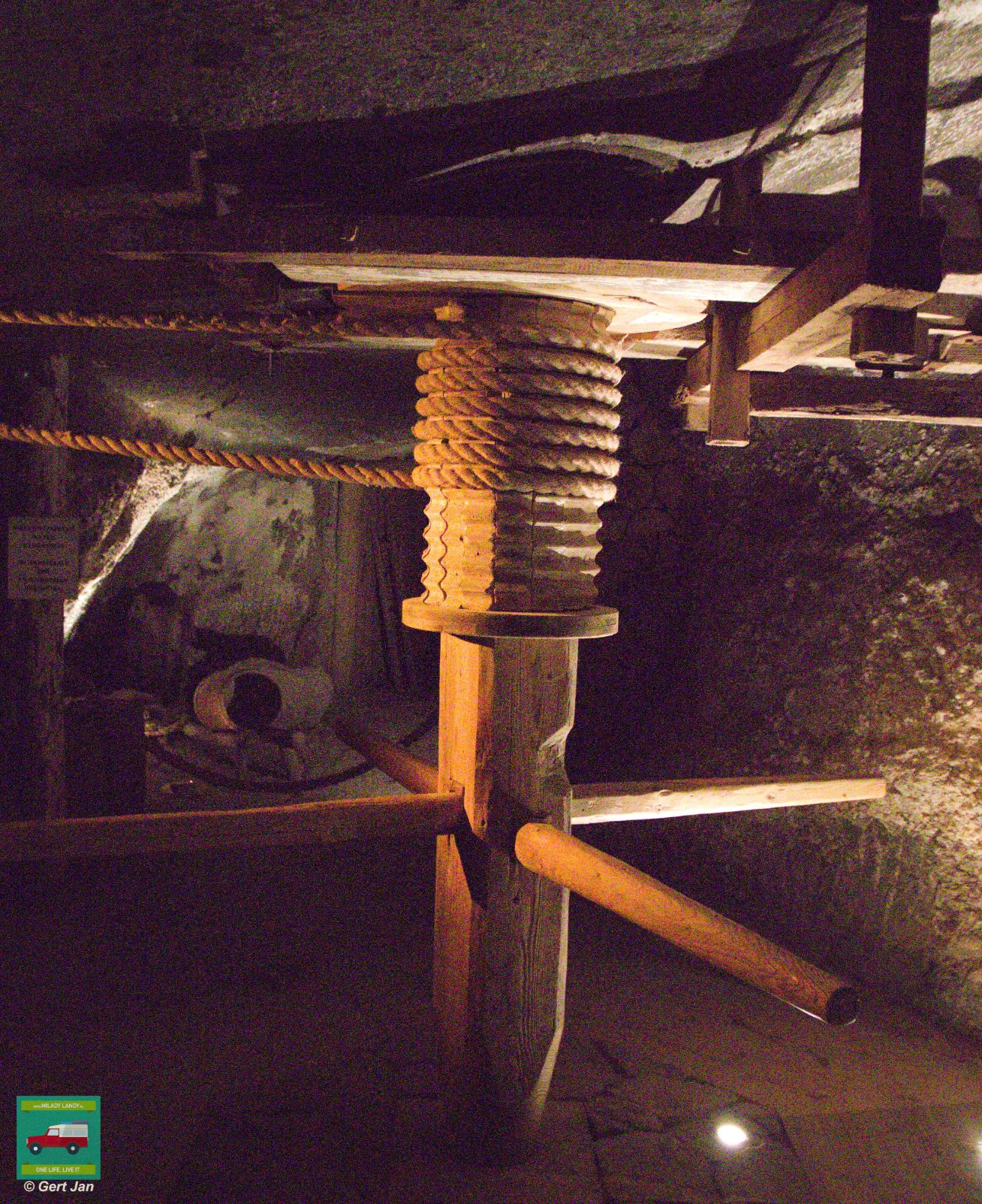
The second level
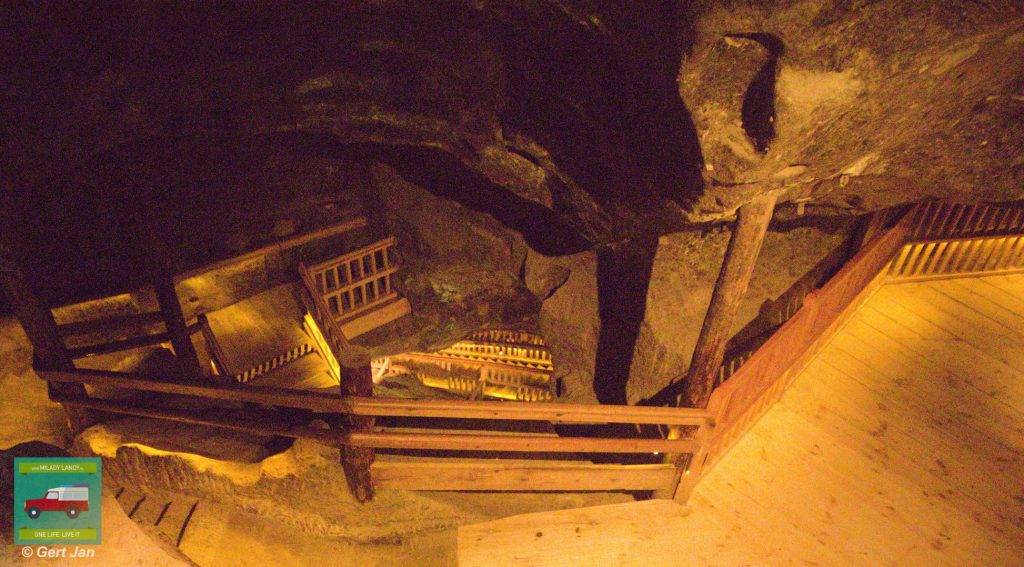
We descend to the second level through an impressive gallery of stairs.
Several chapels and prayer rooms have been built underground. Life of the miners was hard and they could find some peace here.
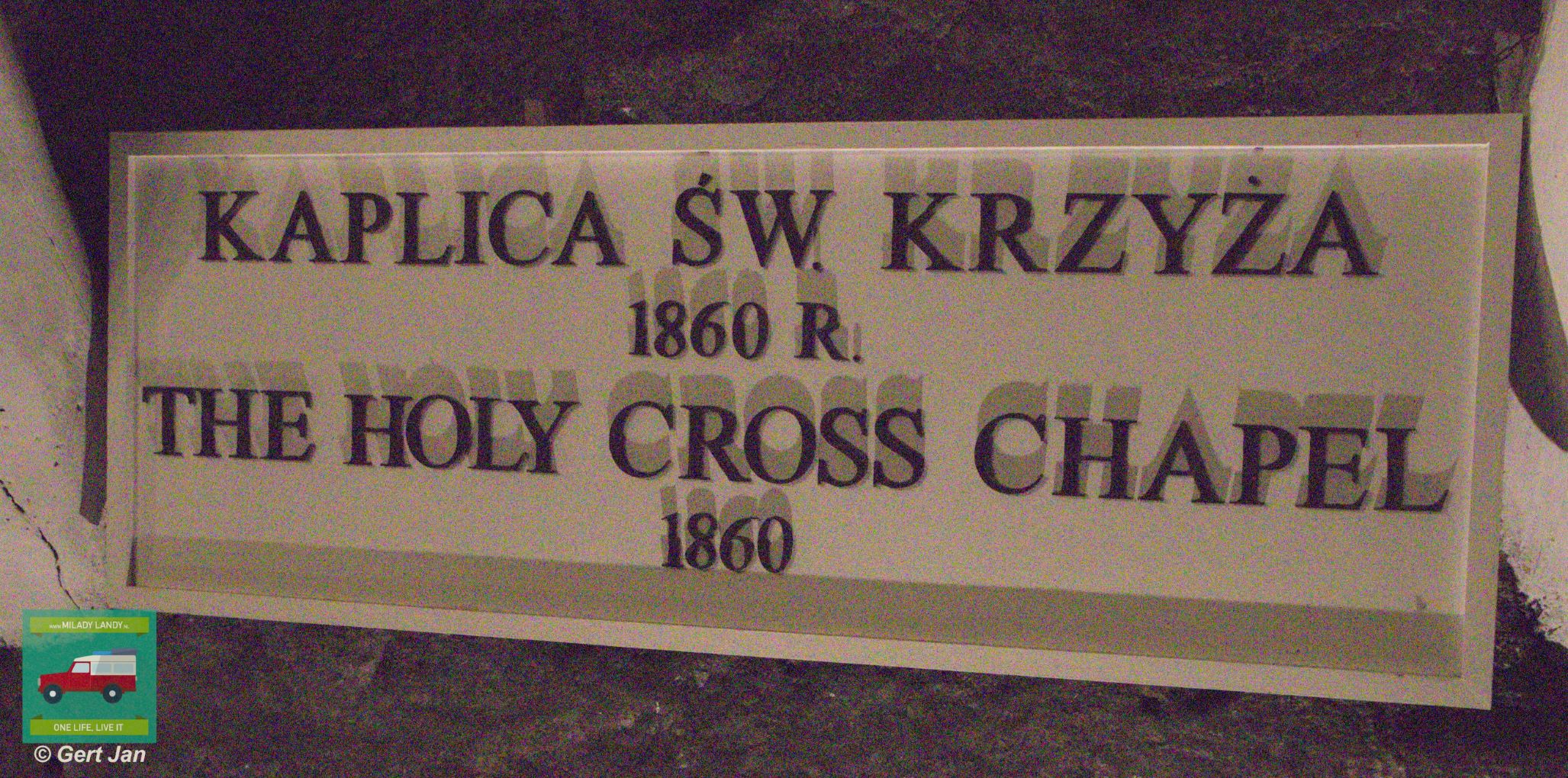
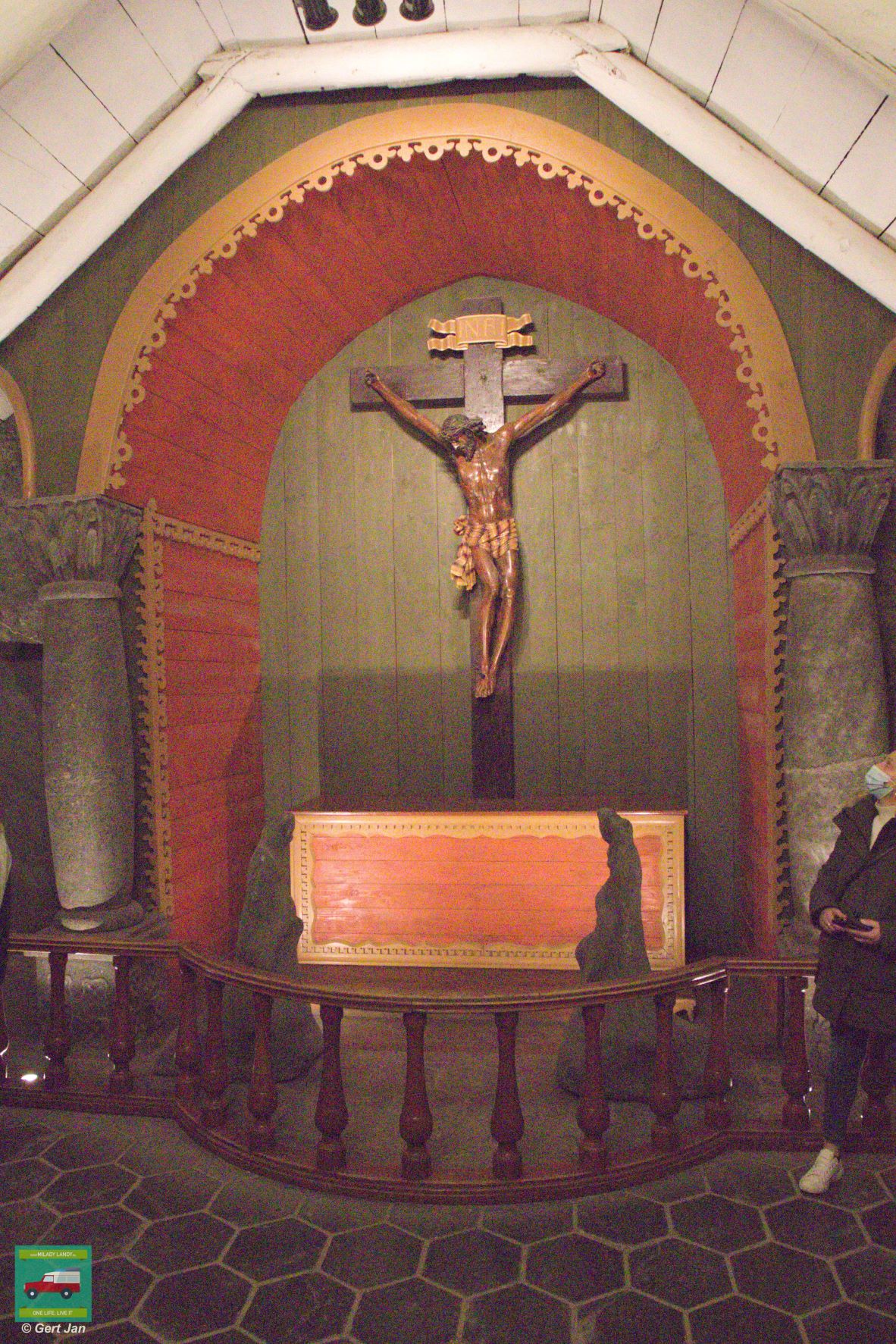
The largest and most impressive dome in the mine is decorated as the Chapel of Saint Kinga (Cunegonda), the patron saint of Poland and Lithuania.
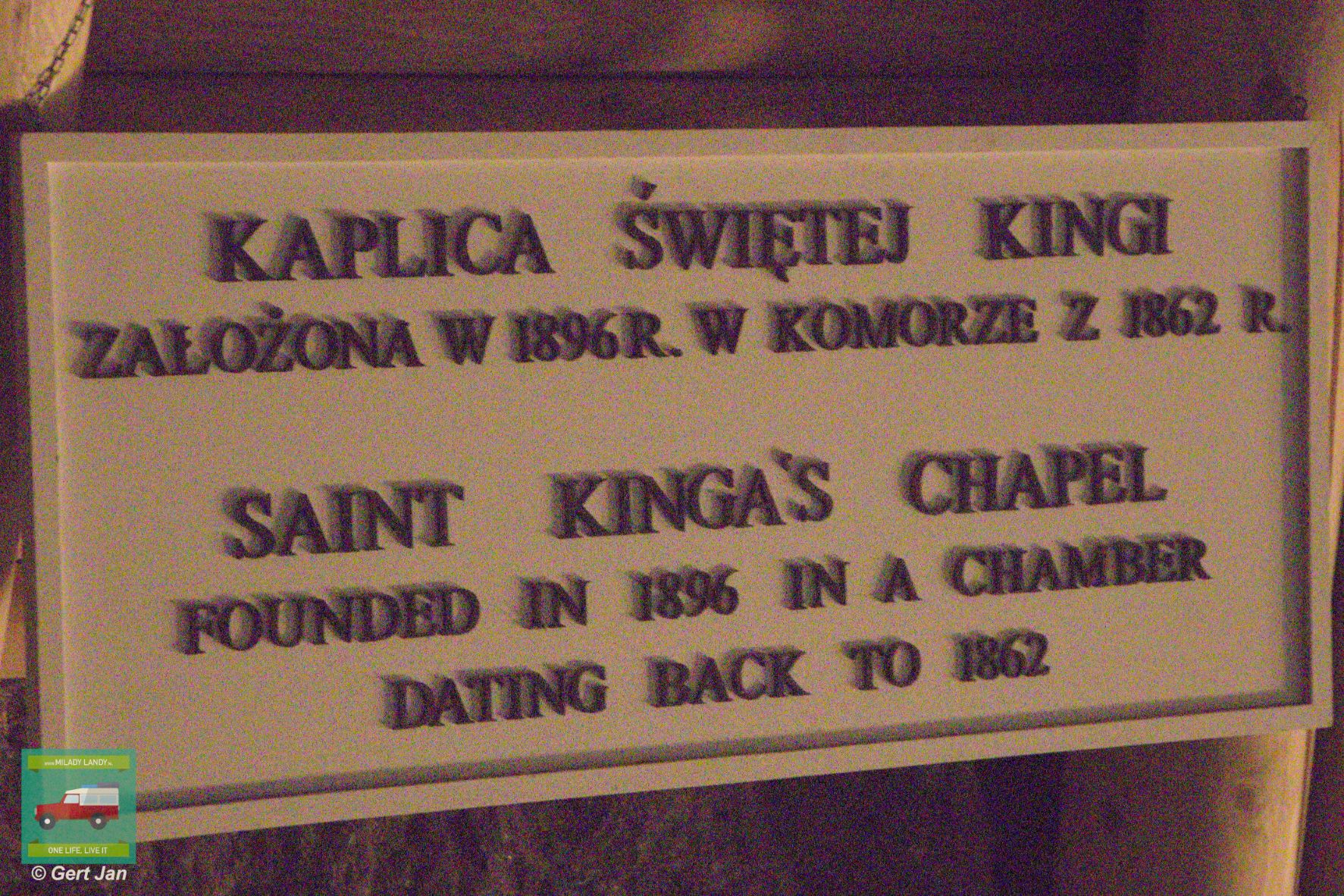
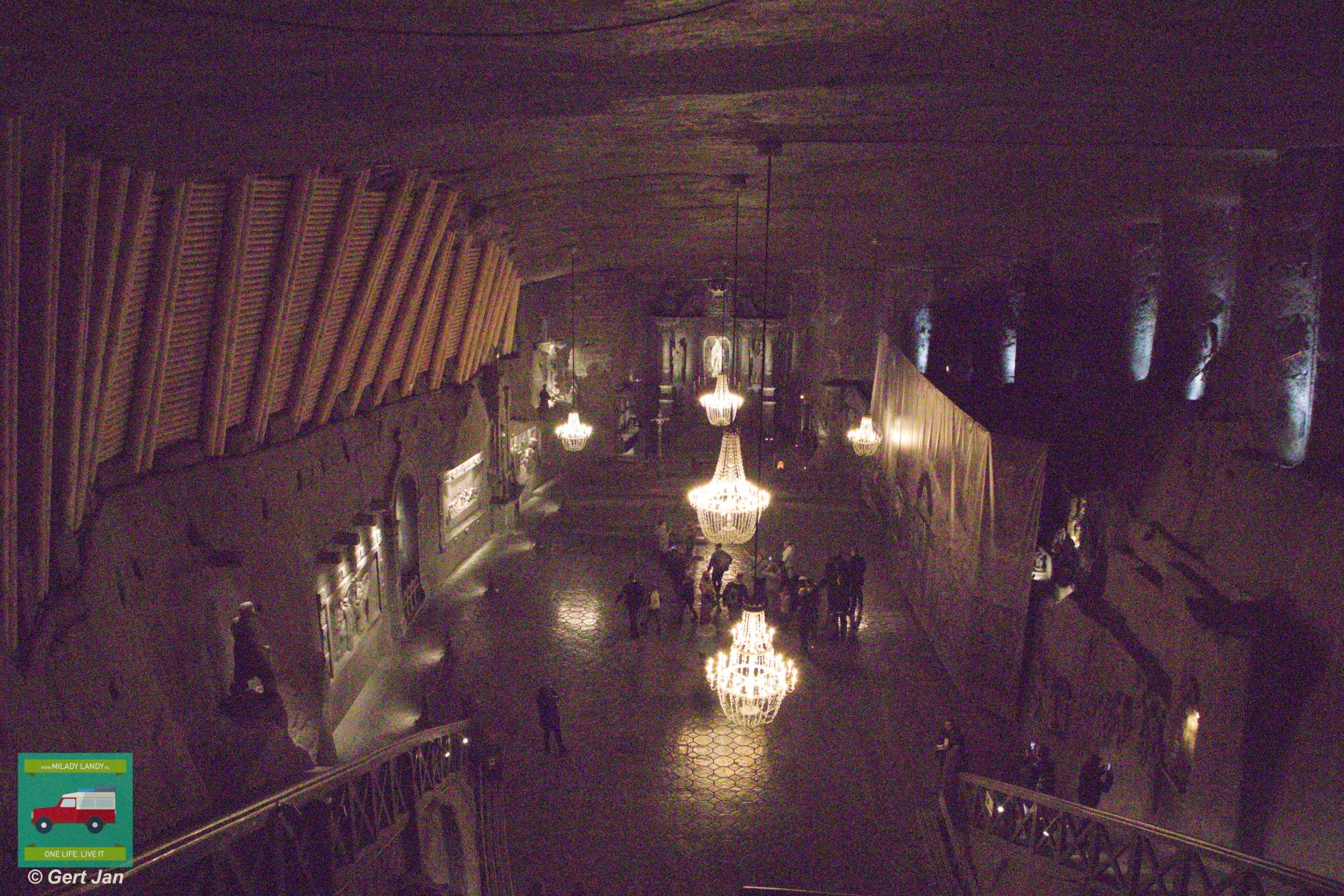
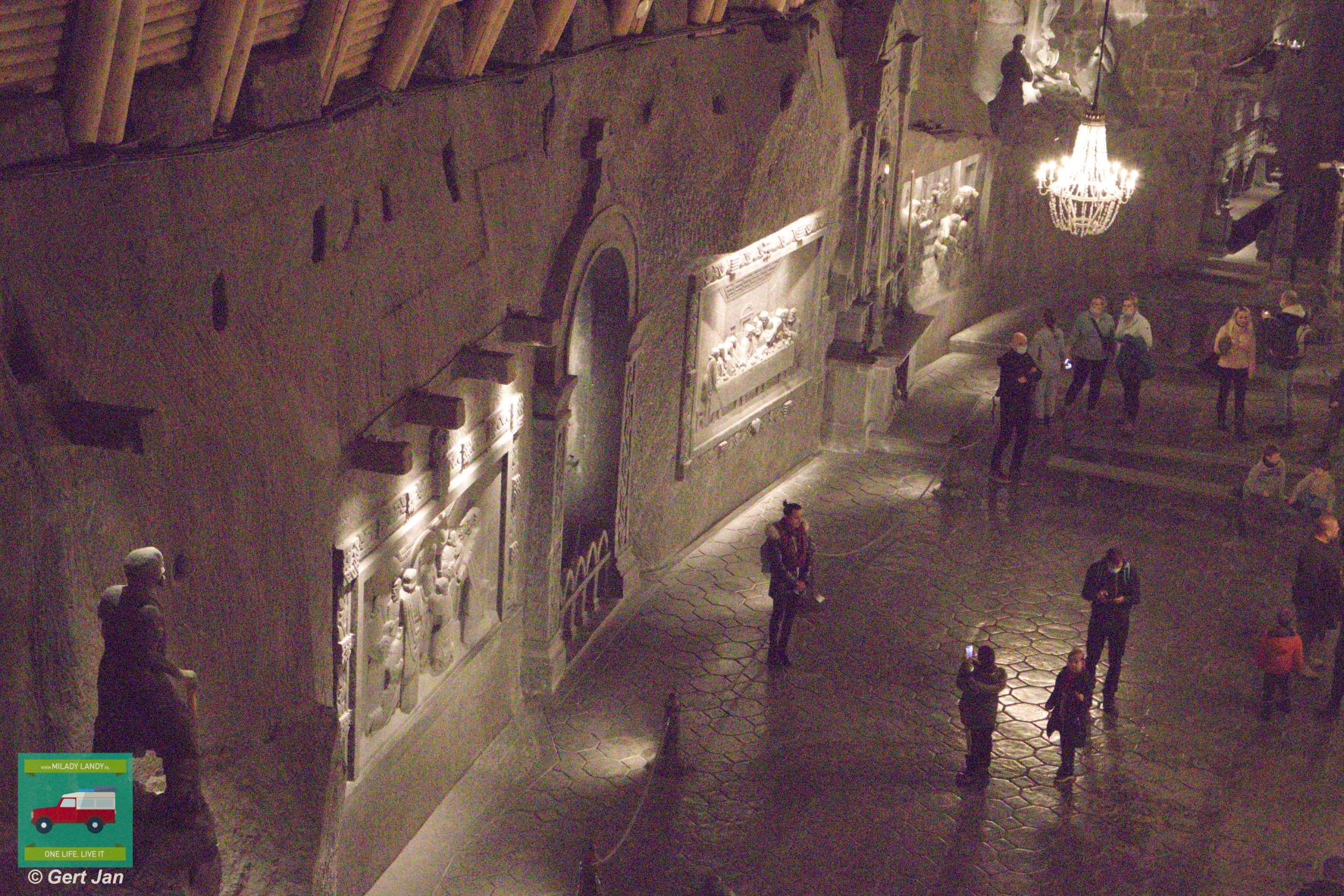
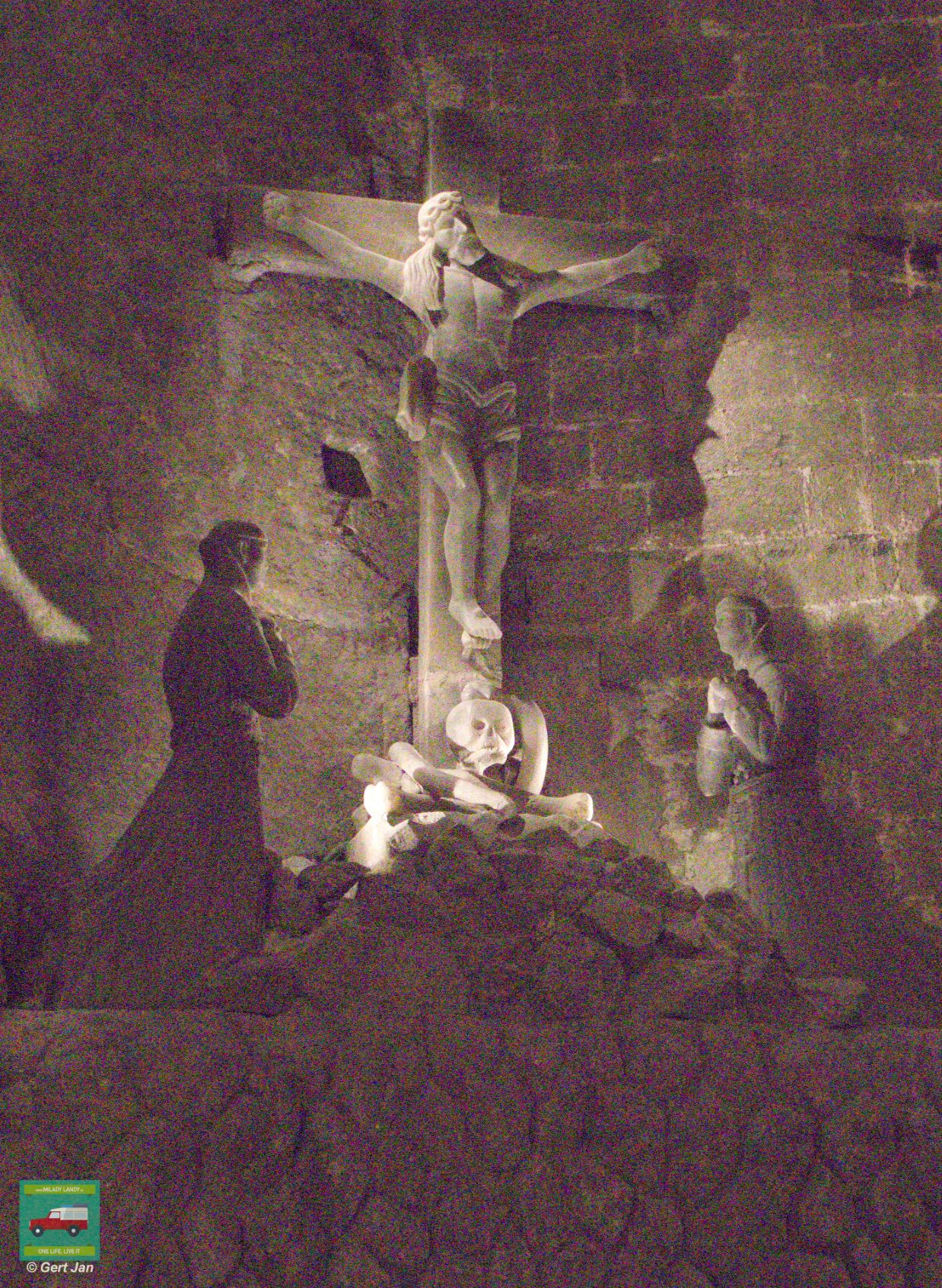
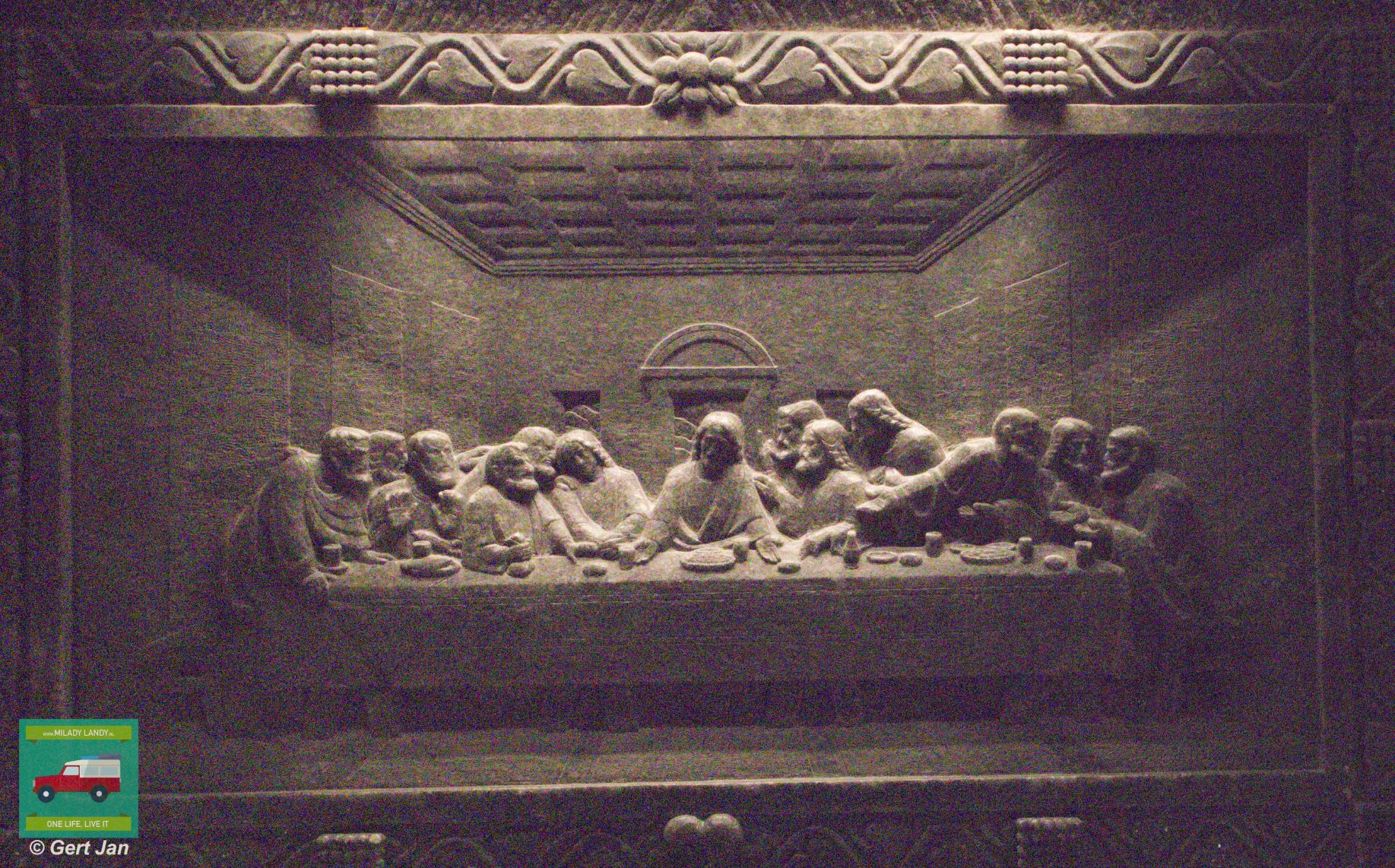
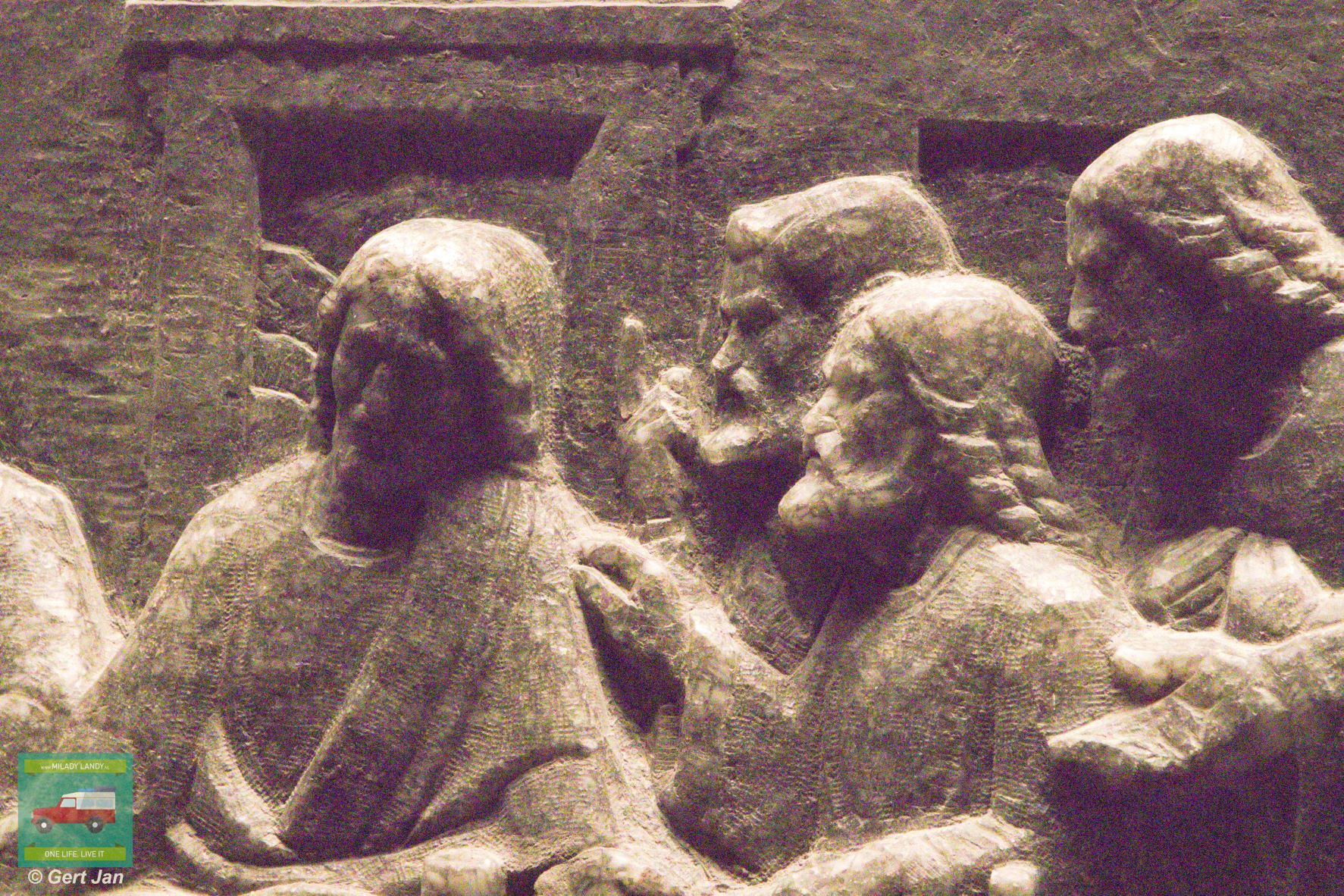
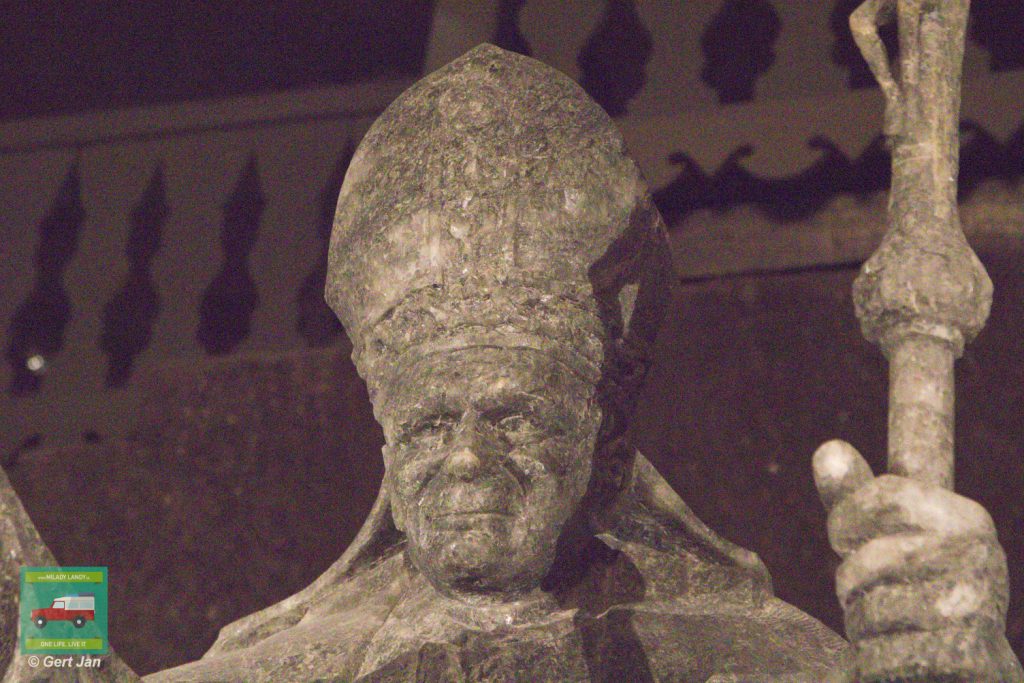
Over the centuries, more and more works of art have been realized in the chapel. Recently, a statue of the Polish Pope John-Paul II has also been realized.
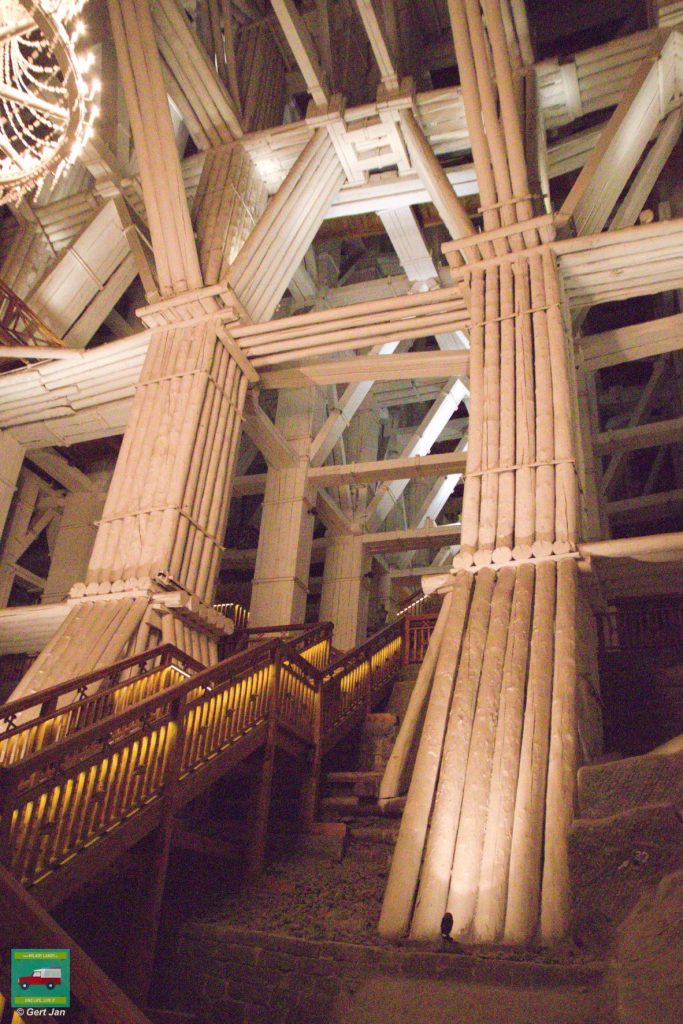
Other domes in the mine had to be propped up with heavy support structures.
The third level
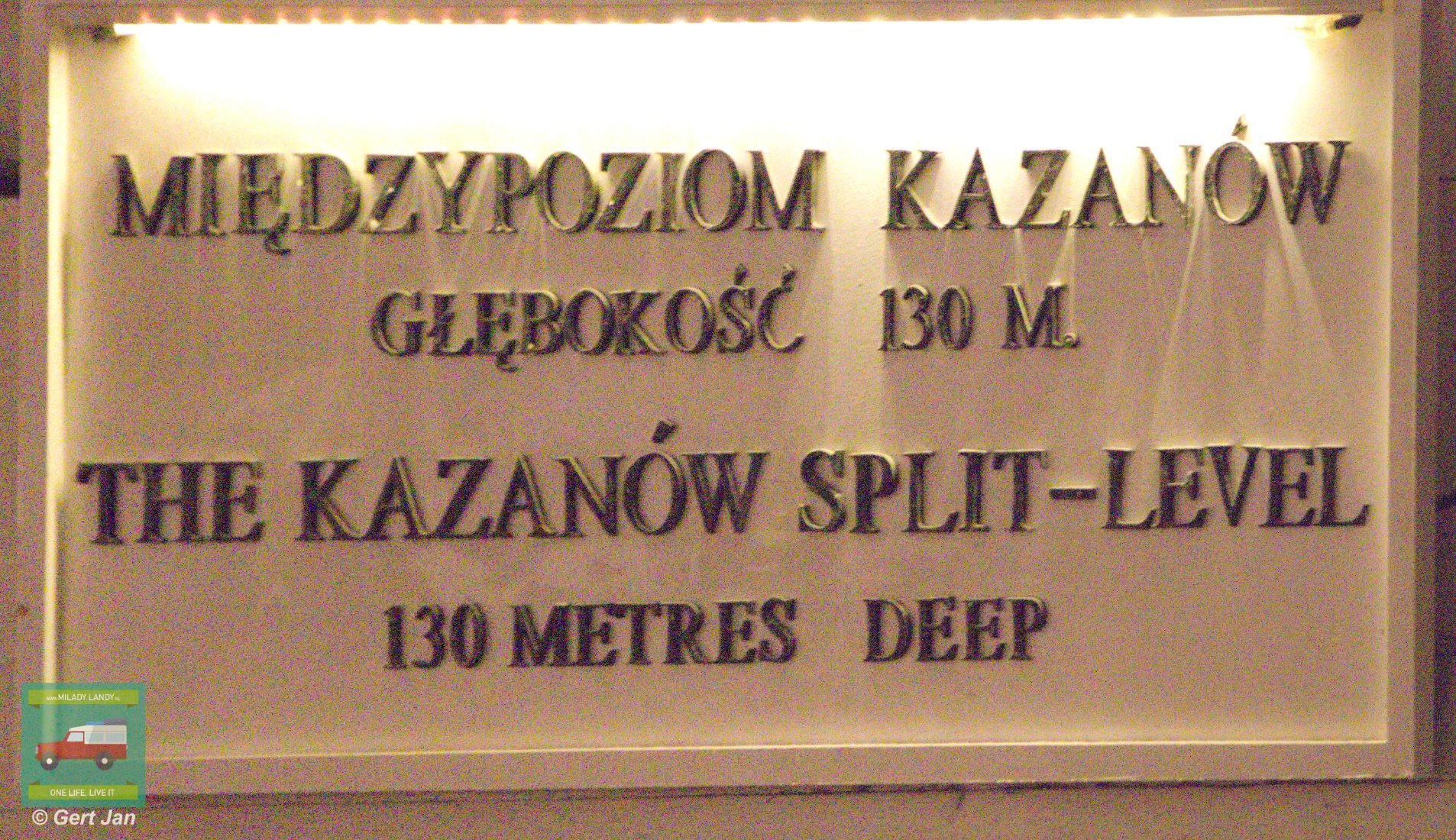
Another staircase leads us to the third level.

The salt-saturated water that is present here and there gives a beautiful play of light, salt crystals and water.

At this level, more is also visible of the more modern techniques for extracting the salt.
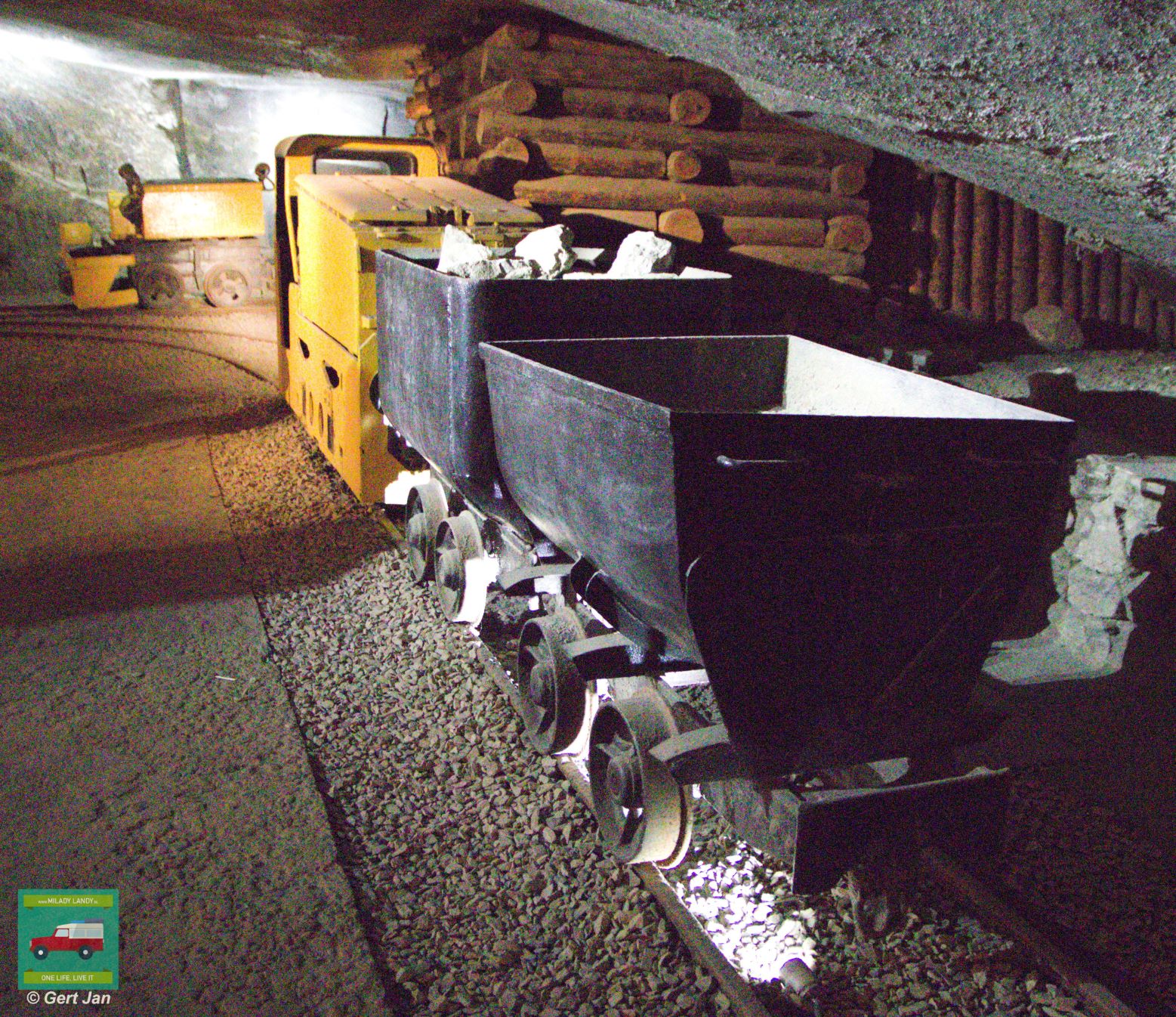
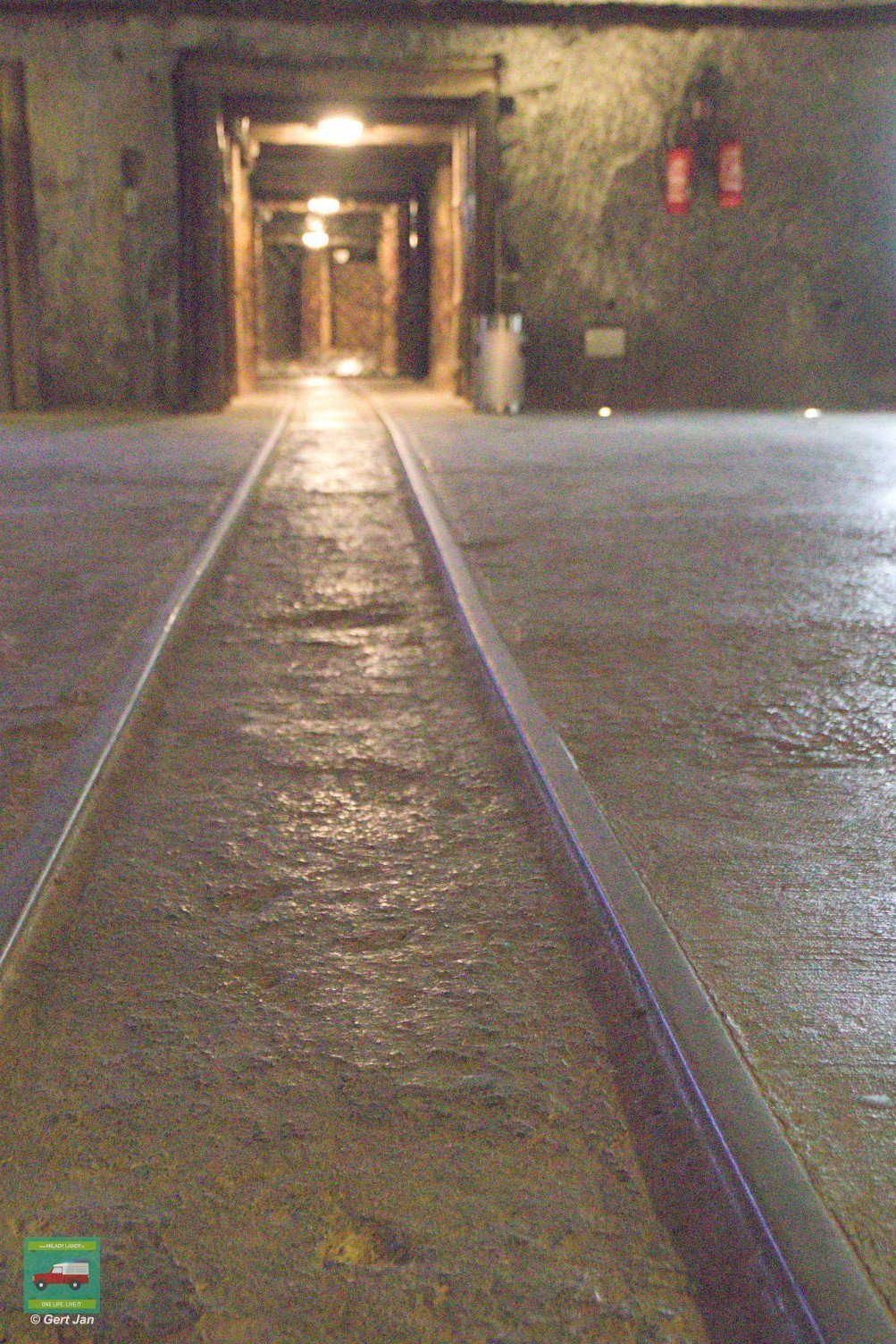
It still seems quite primitive to us, but that will undoubtedly be our perception.
All in all, we are deeply impressed by the Wieliczka Salt Mine, a historic place where salt has been extracted for many hundreds of years.